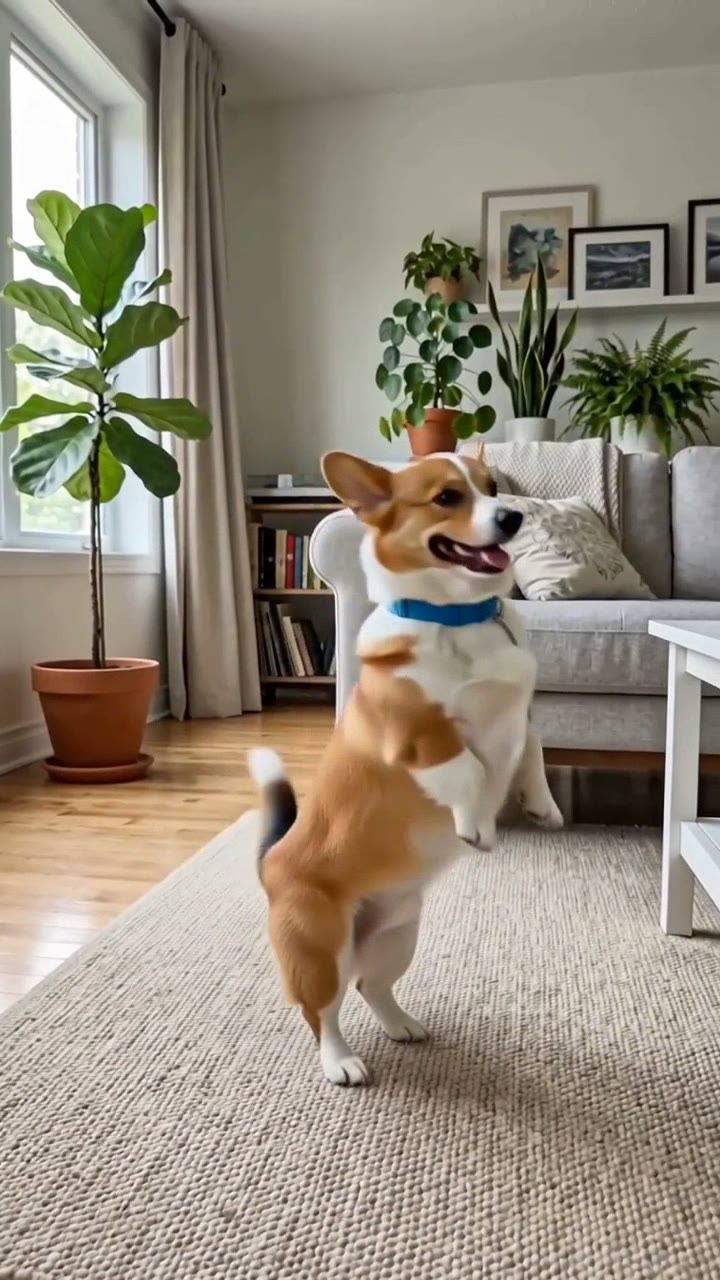
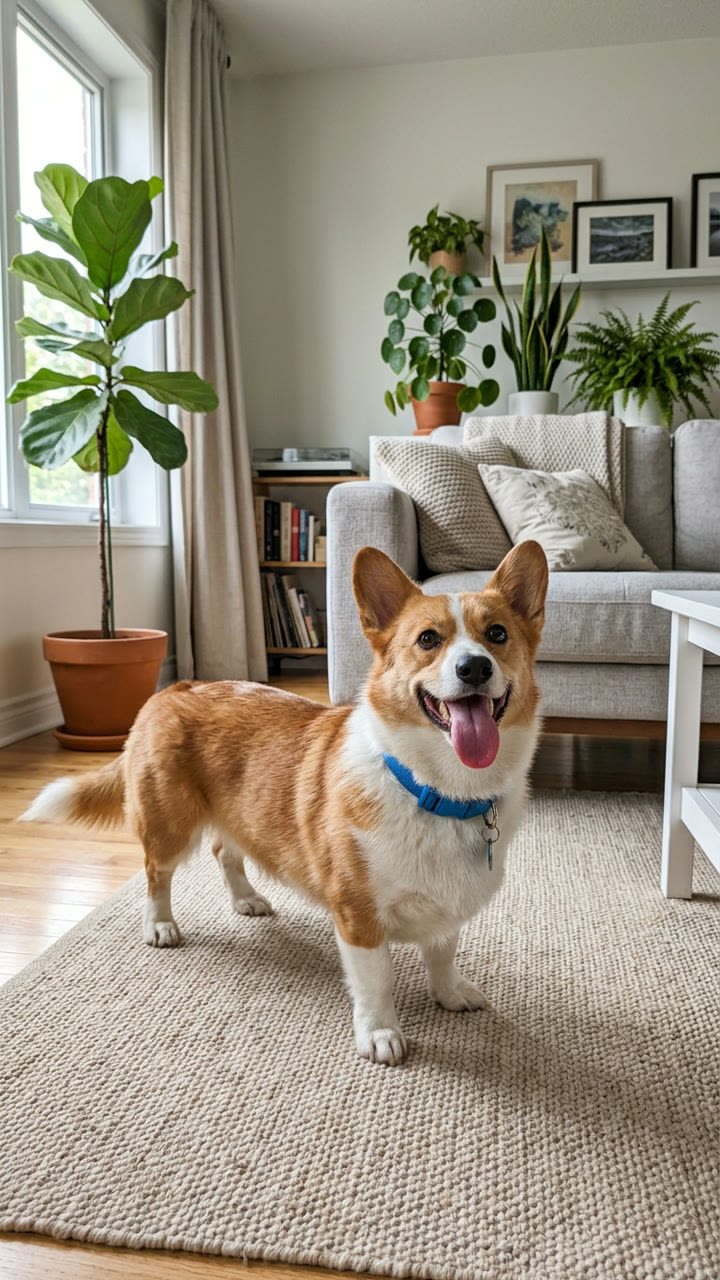
Does it work for cats as well as dogs?
Yes. The prompt says "the animal", not "the dog", so it works the same with a cat, a dog, a rabbit or a guinea pig. Cats are the stars of the biggest viral clips: the three top TikToks we found in the summer of 2026 were all cats.
Small, round animals can look stiff when they stand up. If your cat or small dog comes back looking like a statue, generate the still again. The dance itself is the same for every pet: side steps, paw waves, a little spin, a hip wiggle and a proud pose to the camera at the end.
Can you copy a specific trending dance?
Not on MakeViral. Some tools let you upload a dance clip and move your pet the same way ("motion control"). MakeViral has no input for a reference video, so it cannot copy a named dance step for step. The prompt makes an original bouncy dance instead.
If you want a certain style, change the words in the video prompt. Some examples:
- "a slow, smooth moonwalk and a shoulder shimmy"
- "a fast hip-hop routine with arm waves"
- "a line dance with a clap at the end"
The model follows plain English, but it will not match one exact choreography. To post it with a trending song, add the sound in TikTok or Instagram; the dance will not hit every beat of that song.
How do you post an AI dancing pet video?
Start with a real second. Many creators open with a short real clip of the pet sitting still, then cut to the dance: the contrast is the joke. A caption from the pet's point of view ("when the treats come out") works better than "AI dance".
Keep the pet's name the same across posts and post the same animal again and again, so people follow the pet, not a single clip. Tag the video as AI-made where the platform asks for it.