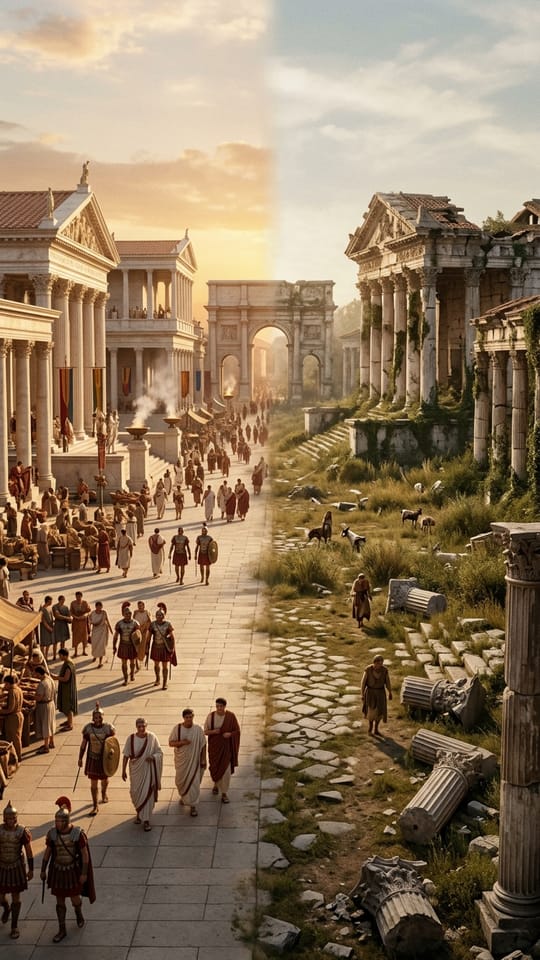
Disasters format

Disaster Video Generator

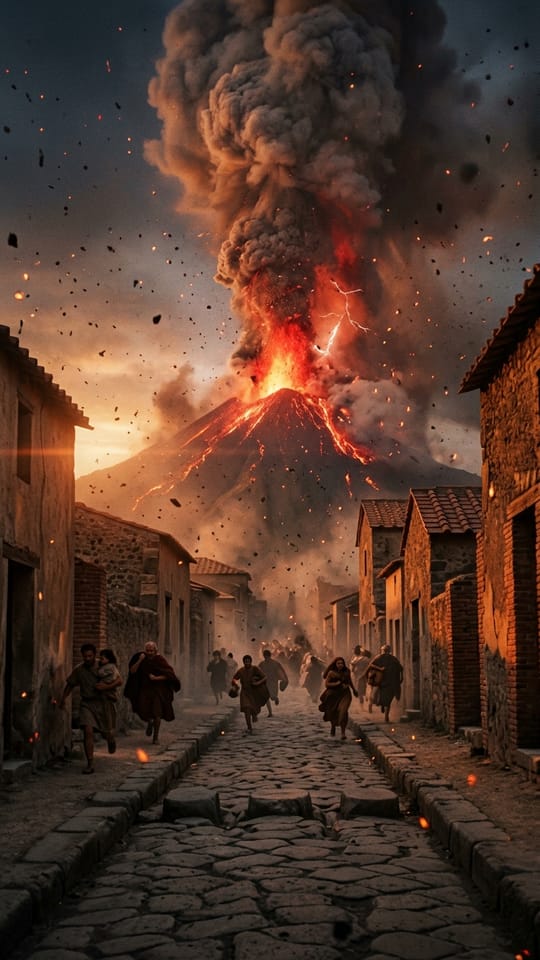
Type a real disaster from history. The AI starts the clock before it begins, follows the people through the minutes that changed everything, and checks every fact.

Type one lineThe last hour of PompeiiMake this video
  • 60 s
  • Cinematic look
  • Brian voice
  • Captions + music
  • 29 languages
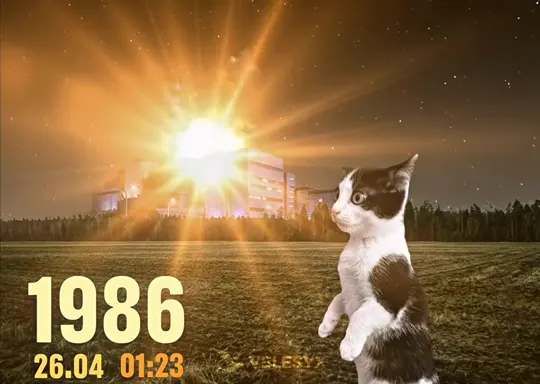
40 years ago, on April 26, 1986, the Chernobyl power plant failed

A viral disasters video by @velesyk.

71.1M
views on the 12 viral posts below
2.7M
followers on @psychopoly, the top disasters creator we found
5.7M
followers across the 6 creators who own this niche
3,200+
videos made on MakeViral so far

Counts read on each post, profile and store page on 2026-11-02. Every number links to its source.

A disaster video tells the last minutes before a real historical disaster: the normal day, the warning nobody understood, the moment it began and what came after. On MakeViral you type the event ("The last hour of Pompeii") and get a 60-second narrated video with checked facts, captions and music, never gory.

Also called Disaster video maker · Historical disaster video AI · Disaster documentary maker · Last minutes video generator

Viral right now

Disasters videos that went viral

Real posts by other creators, with the views they had when we checked. Tap one to open the original. This is the bar your video should reach.

40 years ago, on April 26, 1986, the Chernobyl power plant failed, by @velesyk
@velesyk 32.7M 4.3MTikTok40 years ago, on April 26, 1986, the Chernobyl power plant failed
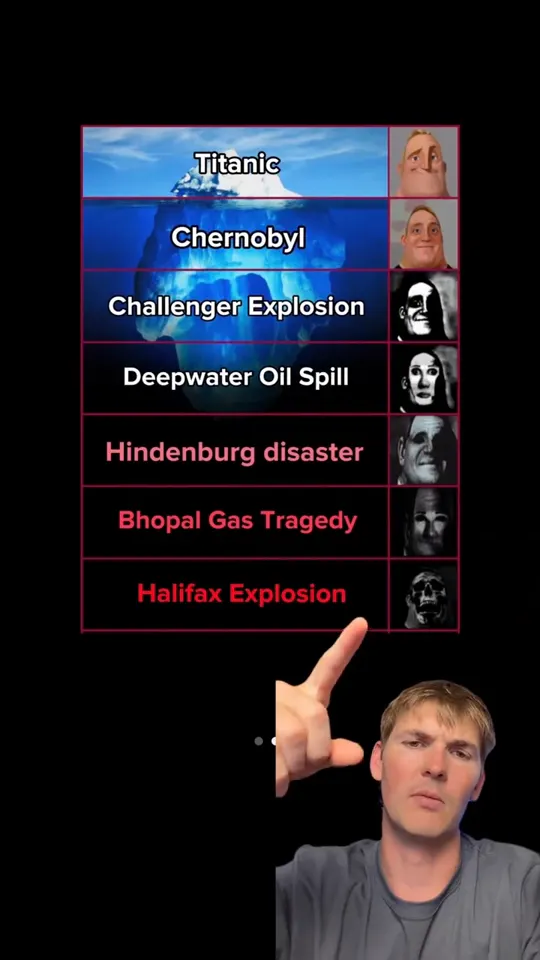
Worst tragedies iceberg, by @psychopoly
@psychopoly 6.9M 554KTikTokWorst tragedies iceberg
Worst mistakes made by humans, by @thehistory.files1
@thehistory.files1 5.7M 321KTikTokWorst mistakes made by humans
An extinction and Pompeii story in a short animation, by @business.well
@business.well 5.3M 772KTikTokAn extinction and Pompeii story in a short animation
Natural disaster iceberg explained, by @psychopoly
@psychopoly 4.3M 319KTikTokNatural disaster iceberg explained
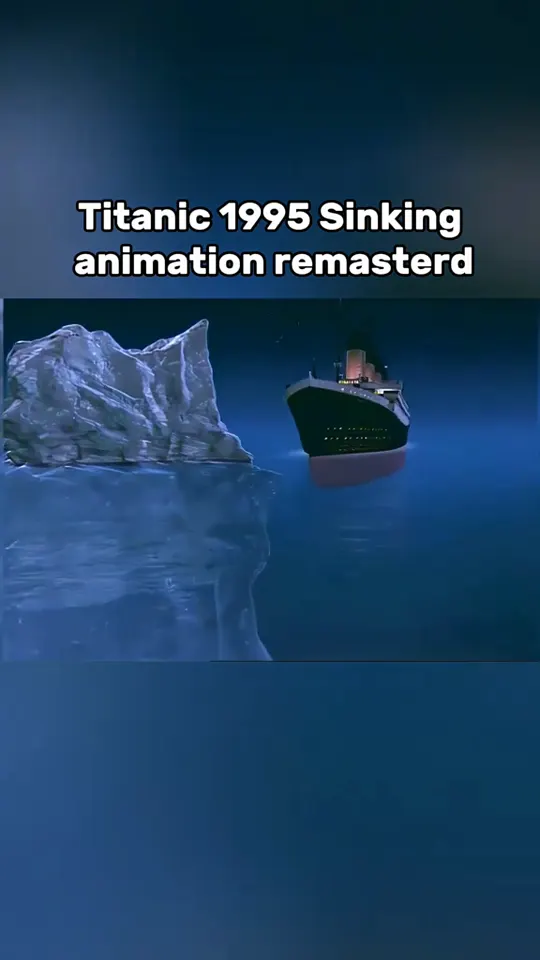
Titanic sinking animation, remastered (1995), by @ocexnlife
@ocexnlife 2.8M 52.2KTikTokTitanic sinking animation, remastered (1995)
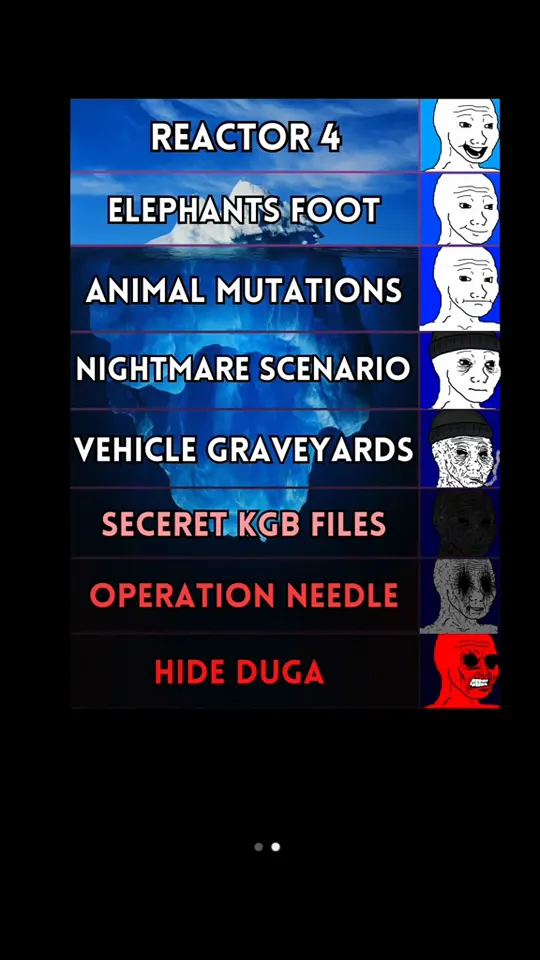
The full Chernobyl nuclear power plant iceberg explained, by @wojakiceberg1
@wojakiceberg1 2.5M 131KTikTokThe full Chernobyl nuclear power plant iceberg explained
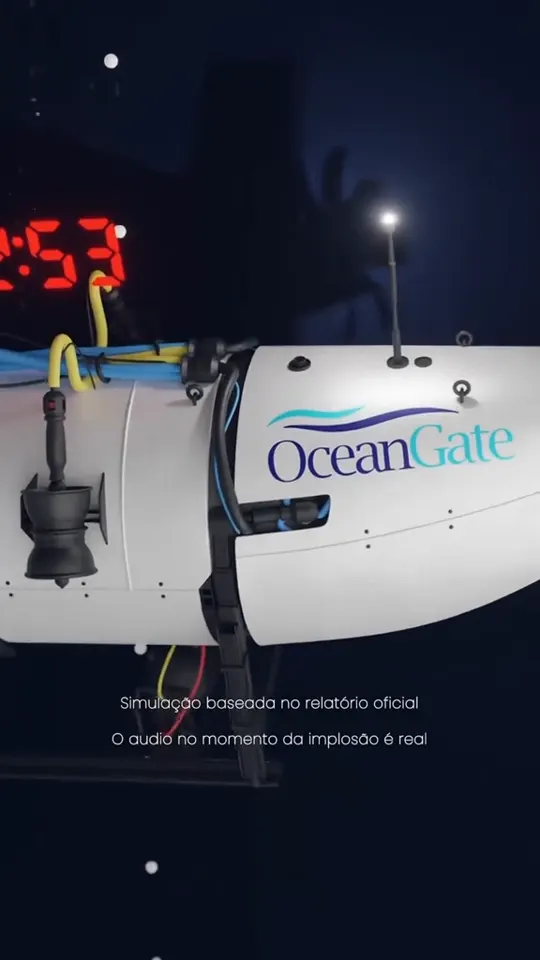
3D simulation of the Titan submarine implosion, by @fatosem3d
@fatosem3d 2.4M 120KTikTok3D simulation of the Titan submarine implosion
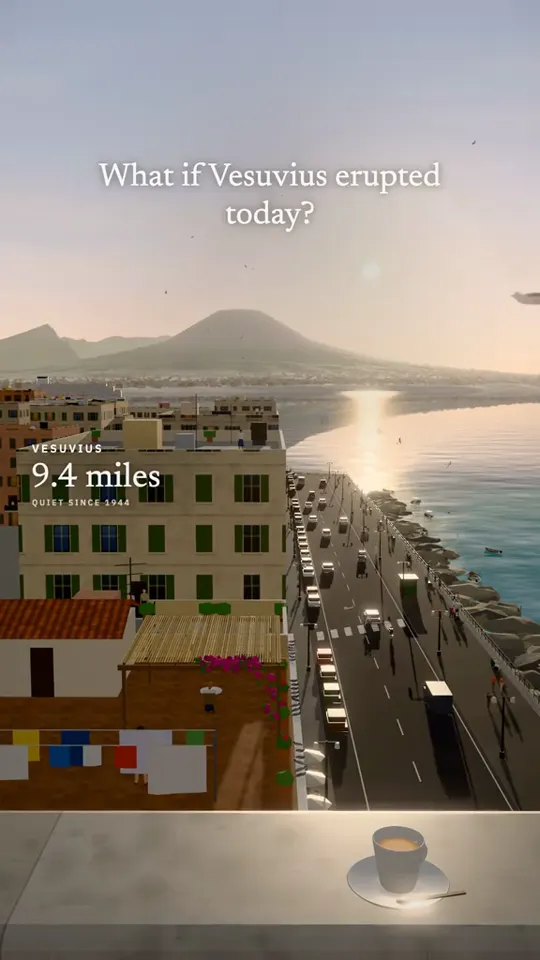
What if Vesuvius erupted today, with 3 million people in reach?, by @meanwhileanimations
@meanwhileanimations 1.9M 118KTikTokWhat if Vesuvius erupted today, with 3 million people in reach?
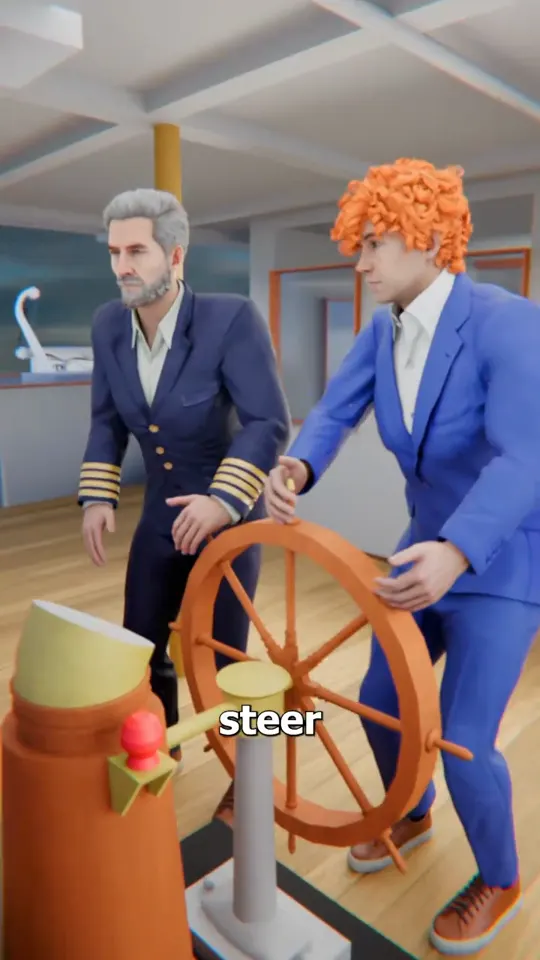
I tried to save the Titanic, by @hisytstory
@hisytstory 862K 57KTikTokI tried to save the Titanic
Made with MakeViral

One line in, a finished disasters video out

1

Type the idea

"The last hour of Pompeii"

2

The AI writes and draws it

A script with a hook in the first two seconds, then every scene drawn in the Cinematic style, a Brian voice-over, word-by-word captions and music.

3

Check, then download

Change any line or picture before it renders. In about 3 to 6 minutes you download a 9:16 MP4 with no watermark.

Try this line
A Disasters scene in the Cinematic style
The recipe

What every viral disasters video does

The hook, first 2 seconds

Start the clock before the disaster: "At 1 PM on August 24th, 79 AD, the mountain above Pompeii split open." The top Chernobyl post opens on just "1986 / 26.04 / 01:23".

  1. 1The normal day, and the people in it.
  2. 2The first warning that nobody understood.
  3. 3The moment it began, with the time on screen.
  4. 4The minutes that followed: what people saw and did.
  5. 5The true scale, with one real number.
  6. 6What we learned, or what is still found today.
Length
60 seconds on MakeViral. The top Chernobyl post runs 19 seconds; iceberg and top list explainers run from about 1 minute to more than 8 minutes.
Voice
One calm, respectful narrator. The long disaster channels use one calm narrator too.
Look
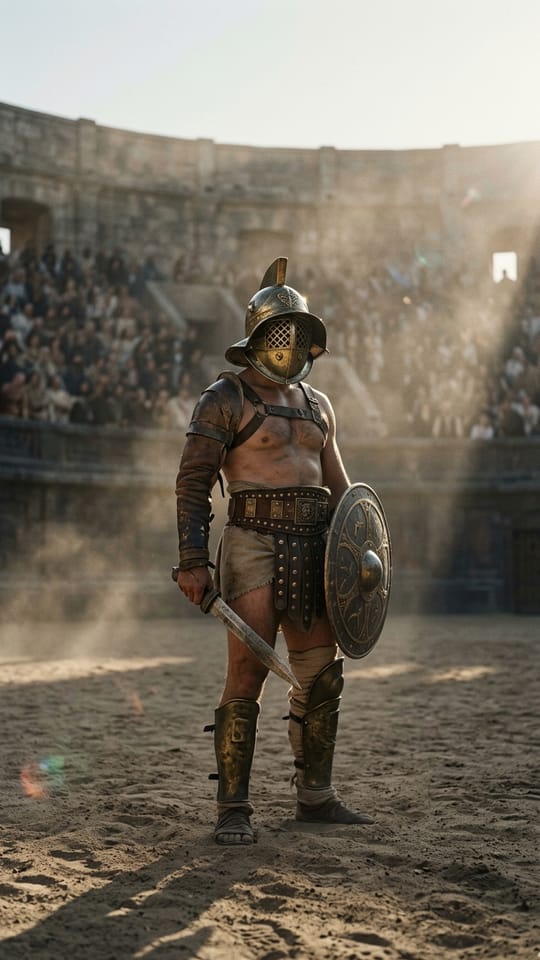
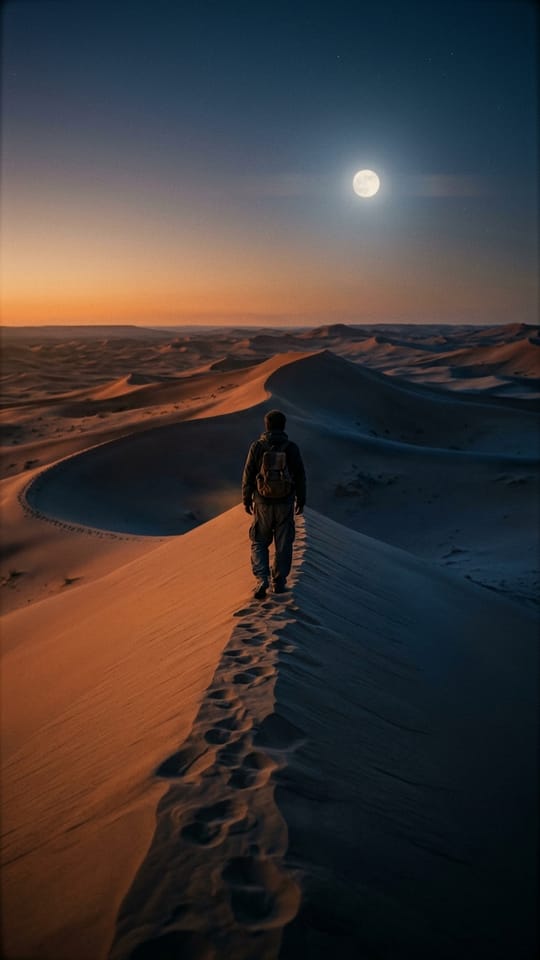
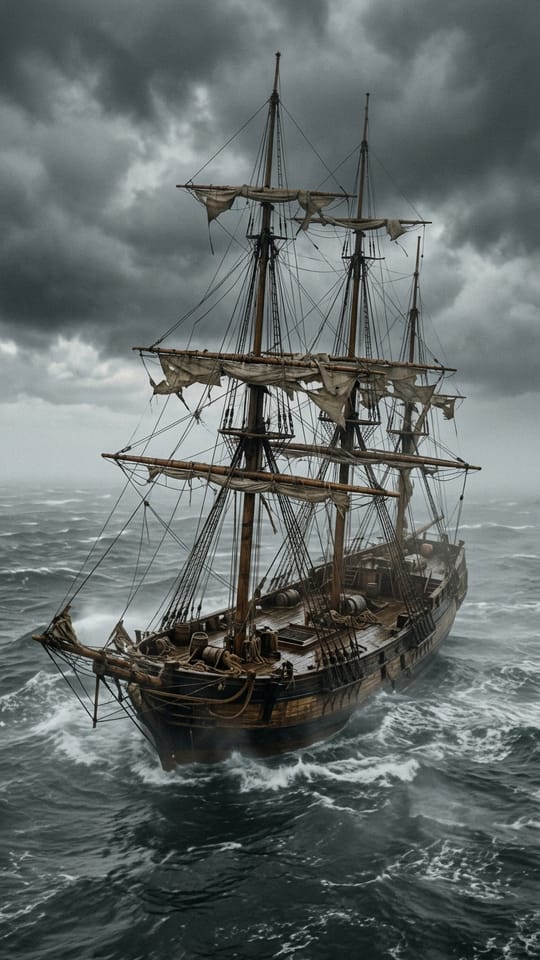
Cinematic: photoreal film stills of the place, the sky and faces from afar. Never wounds or bodies.
Captions
Clean, so the scene stays in front. Put the date and the clock on screen.
Music
A dark, tense music bed. The top post uses a pulsing electronic track with one big impact sound.
Posting
@thehistory.files1 posted about 1.35 videos a day in its 10 latest posts.

MakeViral writes to this recipe by default. You can change the length, look, voice, captions and music before you make the video.

The niche

Who makes disasters videos today

The accounts that own the format, with the followers their profile showed on the day we checked.

CreatorPlatformFollowersWhat they post
@psychopolyTikTok2.7MIceberg explainers, including disasters
@FascinatingHorrorYouTube1.4MFascinating Horror: 470 videos, 341 million total views
@PlainlyDifficultYouTube1.1MPlainly Difficult: 404 videos, 216 million total views
@velesykTikTok338KThe 40th anniversary Chernobyl post
@thehistory.files1TikTok80.6KShort history and disaster lists, more than one post a day
@TheLastDay01YouTube34.6KThe Last Day: started July 2026, 14 million total views
Before and after

How creators make it by hand, and how you make it here

By hand

  1. Claude or ChatGPT: research the event and write a timeline: the date, the clock times, the place and the documented scale.
  2. An AI image or video model: make the opening moment and the wide shots of the place, about 15 shots for a short post.
  3. Blender + Blender MCP: for a 3D reconstruction, like a ship sinking or a plane's last path, let Claude build the scene in Blender. source
  4. ElevenLabs: record a calm narrator voice. source
  5. CapCut: cut fast, add the date and clock stamps, the captions, the music and the impact sound.

On MakeViral about 3 to 6 minutes

  1. Type one line, or paste your own story (up to 800 words).
  2. The AI writes the script to the disasters recipe and checks the facts.
  3. Every scene is drawn in one look with the same characters, then animated.
  4. Voice-over in 29 languages, captions, music and sound effects are added.
  5. Change any line or scene, then download a 9:16 MP4 with no watermark.

What is a disaster video?

A disaster video tells the story of a real disaster from history, minute by minute. It does not start with the damage. It starts before, on a normal day, with a clock: "At 1 PM on August 24th, 79 AD, the mountain above Pompeii split open."

From there it follows the people. It shows the first warning that nobody understood, the moment it began, what people saw and did in the minutes after, and the true scale at the end. It closes on what we learned, or what is still found today.

The hook is the clock. The viewer knows what is coming and the people on screen do not. That gap keeps people watching to the last second. The most viewed post in this niche, a Chernobyl short, has no voice in its first seconds at all, only "1986 / 26.04 / 01:23" and the moment of the explosion.

Disaster videos today, in real numbers

The biggest single post in our research is a Chernobyl short by @velesyk, posted on April 26, 2026, the 40th anniversary. It runs 19 seconds and has 32.7 million plays and 4.3 million likes (read November 2, 2026).

Longer explainers do well too. @psychopoly has 2.7 million TikTok followers, and its "Worst Tragedies iceberg" has 6.9 million plays. On YouTube, Fascinating Horror has 1.46 million subscribers and Plainly Difficult has 1.1 million. A new channel, The Last Day, started in July 2026 and already has 14 million total views. Its video on Nepal's 2026 glacier disaster has 5.1 million views.

Search is strong. "chernobyl documentary" has 6,600 searches a month in the US, "worst disasters in history" has 880, and "disaster documentary" has 390 and rose 46% in a year.

How to make a disaster video with AI

  1. Pick one real event from history. One place, one day. "The last hour of Pompeii", not "volcanoes".
  2. Start the clock before it begins. A date and a time in the first line.
  3. Follow the people, not the damage. What they saw, heard and did.
  4. Give the true scale once, with a documented number.
  5. End on what we learned, or what is still found today.

On MakeViral you type the event, and the writer does steps 2 to 5. Time tags like "1 PM" or "MIDNIGHT" go on screen. A fact check pass reads the date, the clock times, the place, the scale and the death toll before you see the script. When sources disagree, it uses the documented range. The scenes come in the cinematic look, with a calm narrator, clean captions and dark music. The last line leads back to the first, so the video loops. You can change any line before it renders, and it is ready in about 3 to 6 minutes.

How do creators make disaster videos by hand?

None of the creators in our research show their tools, and we found no tutorial for this format that we could check. So here is what the top post looks like, and what it takes to make that by hand.

The Chernobyl post by @velesyk opens with a date stamp in yellow and the explosion in the first 2 seconds. Then comes a title, and a fast montage of about 15 shots with radio audio. Red typewriter captions translate the radio. A pulsing electronic track and one loud explosion sound carry it. It ends on a question from the radio: "Are there people there?" "Yes."

Long channels do the opposite: one calm narrator, from under a minute to almost 20 minutes. For a 3D reconstruction, like the Titanic sinking ("titanic sinking animation" gets 210 searches a month), makers use Blender, and Blender MCP lets Claude build the scene. Each video still needs research, pictures, a voice and an edit. MakeViral turns the event into a narrated video from one line.

How to tell disaster stories with respect

Real people lived and died in these events. The disasters format on MakeViral is built for that:

  • Never gory. The pictures show the place, the sky and faces from afar. They never show wounds or bodies.
  • Real events only. The format tells historical disasters, not made-up ones.
  • Checked numbers. The death toll and the scale come from documented sources. When they disagree, the script uses the documented range.
  • A calm voice. The narrator tells it with respect, not with shock.

Think twice before a very recent event, when families still grieve. Photoreal scenes of real events need an AI label on YouTube, and YouTube says the label alone does not limit reach or money.

A 60-second disaster video costs 132 credits with some motion, the format's default, and a 30-second one costs 75. Credits start with a $9.99 one-time pack of 100 credits, and you see the price on the button before you pay. The voice works in 29 languages.

Getting paid

Can disasters videos make money?

  • YouTube pays Shorts creators who have 1,000 subscribers and 10 million valid public Shorts views in the last 90 days. source
  • Creators in the YouTube Partner Program keep 45% of their share of Shorts ad revenue. source
  • YouTube does not pay for "AI-generated content made with generic or unoriginal templates giving the impression of mass production". A disaster story with a real timeline and your own research is your own work. source
  • YouTube asks creators to label realistic AI content. A label alone does not limit reach or money. source
  • TikTok Creator Rewards pays only for original videos longer than one minute. source
FAQ

Disasters video questions

What is a disaster video generator?
It is a tool that turns one line, like "The last hour of Pompeii", into a short narrated video about a real disaster from history. MakeViral writes the script minute by minute, checks the facts, makes the scenes in one cinematic look and adds a voice-over, captions and music. You get a 60-second 9:16 video in about 3 to 6 minutes.
What happened in the Chernobyl disaster?
In the early hours of April 26, 1986, reactor 4 of the Chernobyl nuclear power plant, in what is now Ukraine, exploded during a test. It released a huge amount of radioactive material. The nearby city of Pripyat was evacuated, and a wide zone around the plant is still closed today. It is the worst nuclear accident in history.
Are disaster videos too graphic for YouTube and TikTok?
They do not have to be. The disasters format on MakeViral never shows wounds or bodies. It shows the place, the sky, the water or the smoke, and faces from afar. The story comes from the timeline and the people's choices, not from shock pictures. That keeps the video respectful and safer to share.
Are the death tolls and dates accurate?
MakeViral checks them. A fact check pass reads the date, the clock times, the place, the scale and the death toll against history. When the sources disagree, the script uses the documented range or a round documented figure. You read the full script and can change any line before the video renders.
How long should a disaster video be?
The most viewed post in our research, a Chernobyl short, runs 19 seconds. Iceberg and top list explainers run from about 1 minute to more than 8 minutes. On MakeViral the format starts at 60 seconds, which leaves time for the normal day, the warning, the event and the scale.
Can I make a video about a recent disaster?
The format is made for historical disasters, with documented facts. A very recent event has open facts and grieving families. If you choose one, wait until the facts are clear, keep the tone calm, avoid speculation and never show victims. Older events, like Pompeii or the Titanic, are the safest and often the most watched.
Can I make a plane crash or Titanic sinking animation?
You can make a narrated video of a historical event like the Titanic or the Hindenburg, with cinematic AI scenes that follow the timeline. It is a story, not a technical 3D reconstruction. For an exact engineering view, makers use Blender, and Blender MCP lets Claude build the 3D scene.
Does a disaster video need a voice-over?
Not always. The top Chernobyl post has no narrator and uses radio audio instead. But most disaster channels use one calm narrator, because a voice can explain the warning signs and the scale. Every MakeViral disaster video has one calm narrator, captions and a dark music bed.

Make your first disasters video

Type one line. Get a narrated 60-second video with captions and music, ready for TikTok, Reels and Shorts.

No watermark. A failed video gives its credits back. Secure checkout by Stripe.