Psychology format

Psychology Facts Video Generator

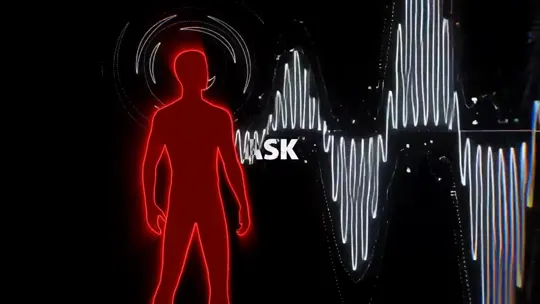
Type one strange thing your mind does. The AI names the real effect behind it, shows how it works and ends on a calm line that makes people watch again.

Type one lineWhy you remember embarrassing moments at nightMake this video
  • 30 s
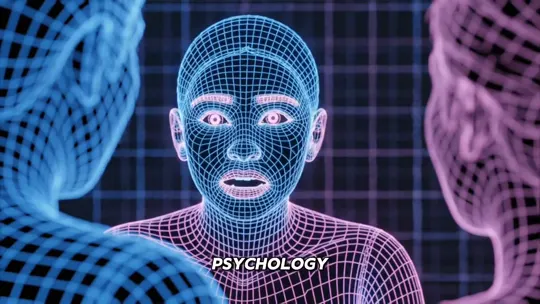
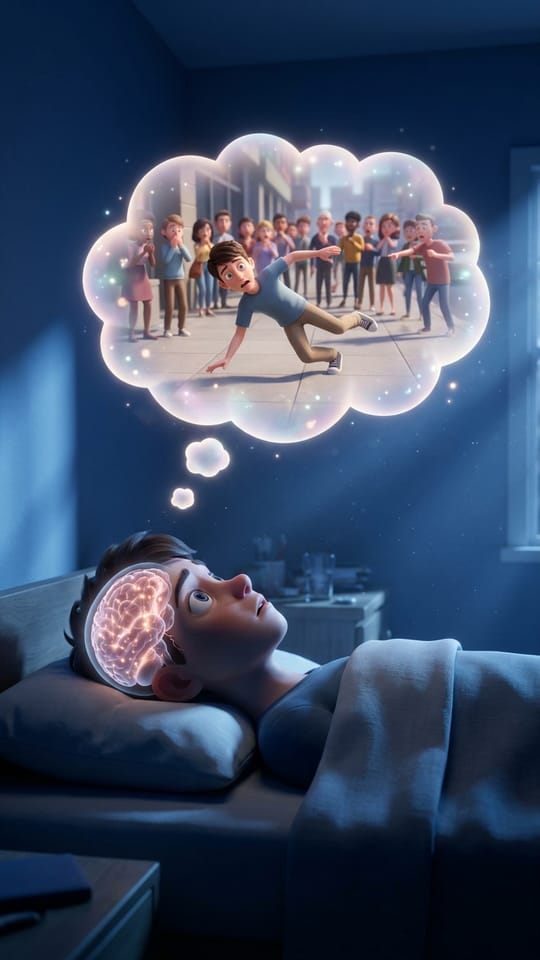
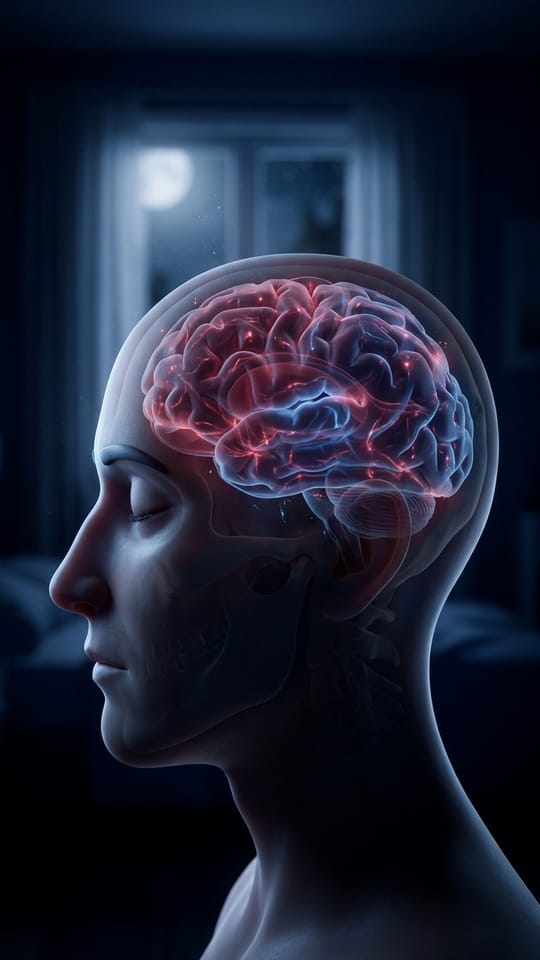
  • 3D explainer look
  • Brian voice
  • Captions + music
  • 29 languages
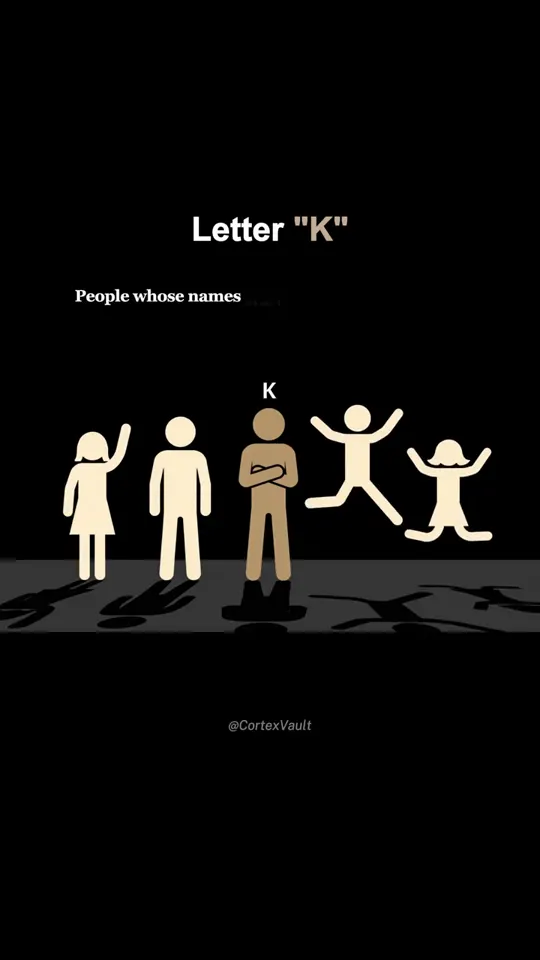
If your name starts with K and this felt personal, comment "that's me."

A viral psychology video by @cortexvault_.

71.3M
views on the 14 viral posts below
13.2M
followers on Psych2Go, the top psychology creator we found
13.9M
followers across the 7 creators who own this niche
3,200+
videos made on MakeViral so far

Counts read on each post, profile and store page on 2026-11-02. Every number links to its source.

A psychology facts video explains one thing your mind does in under a minute: "Why do you forget why you walked into a room?" It names the real effect, shows how it works and ends on a calm line. On MakeViral you type the question and get a 30-second narrated, fact-checked video with captions and music.

Also called Psychology video maker · AI psychology shorts generator · Psychology facts shorts maker · Human behavior video generator

Viral right now

Psychology videos that went viral

Real posts by other creators, with the views they had when we checked. Tap one to open the original. This is the bar your video should reach.

If your name starts with K and this felt personal, comment "that's me.", by @cortexvault_
@cortexvault_ 13.7M 737KTikTokIf your name starts with K and this felt personal, comment "that's me."
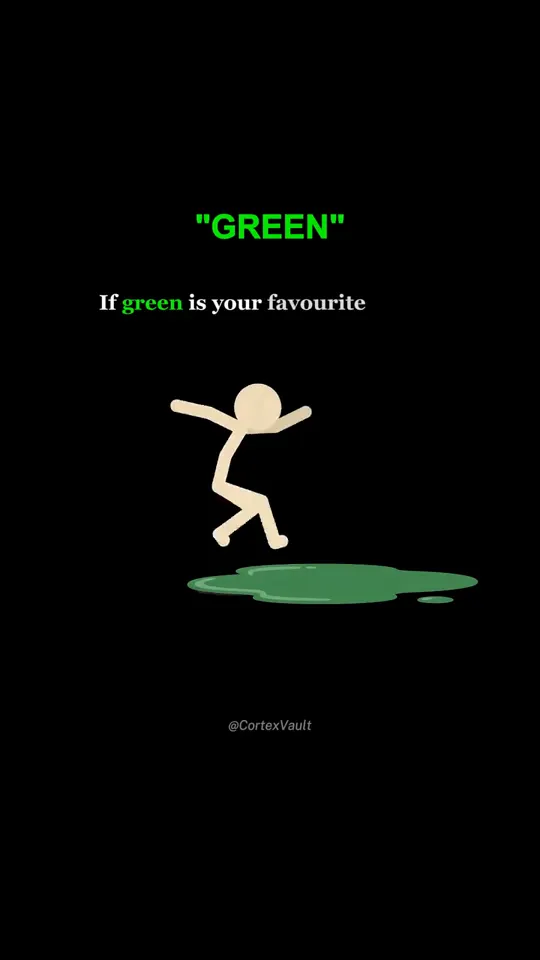
If green is your favorite color... how accurate was this?, by @cortexvault_
@cortexvault_ 12.7M 759KTikTokIf green is your favorite color... how accurate was this?
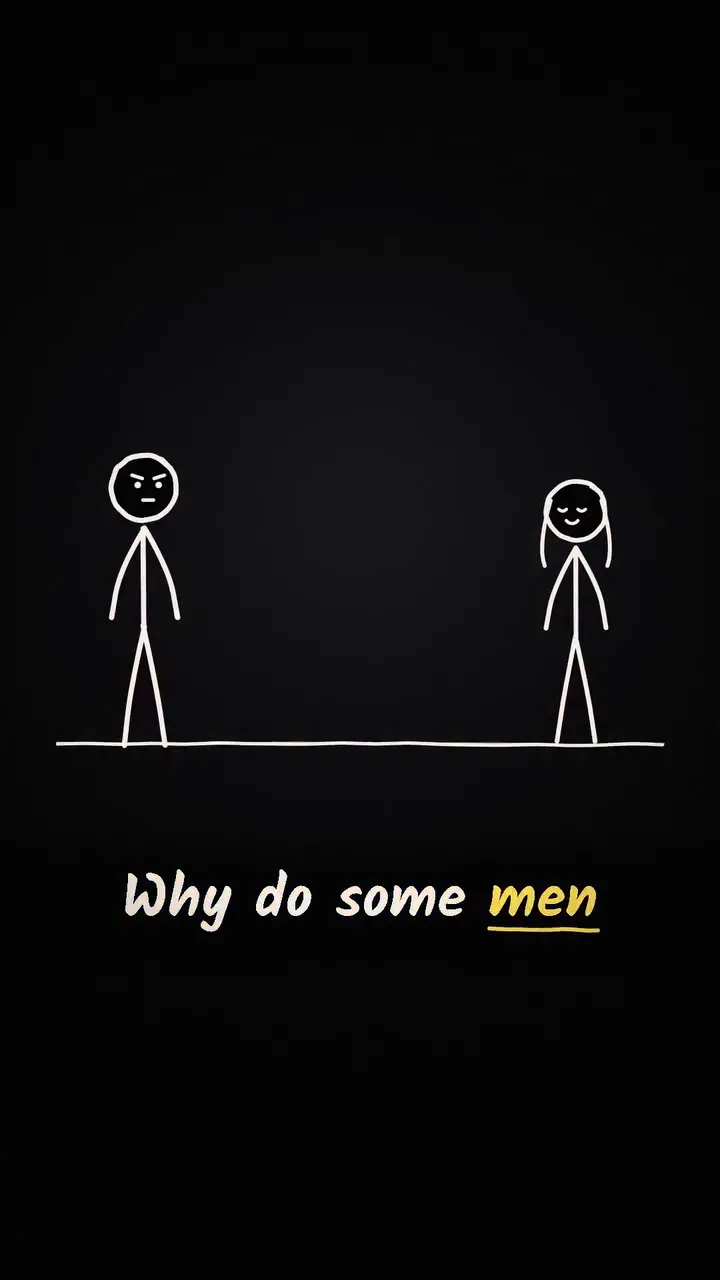
Why some men never chase women even when interested, by @psykeeu
@psykeeu 12.4M 569KInstagramWhy some men never chase women even when interested
Why smart people always procrastinate. The Incubation Effect explained., by @thebioswitch
@thebioswitch 7.8M 667KTikTokWhy smart people always procrastinate. The Incubation Effect explained.
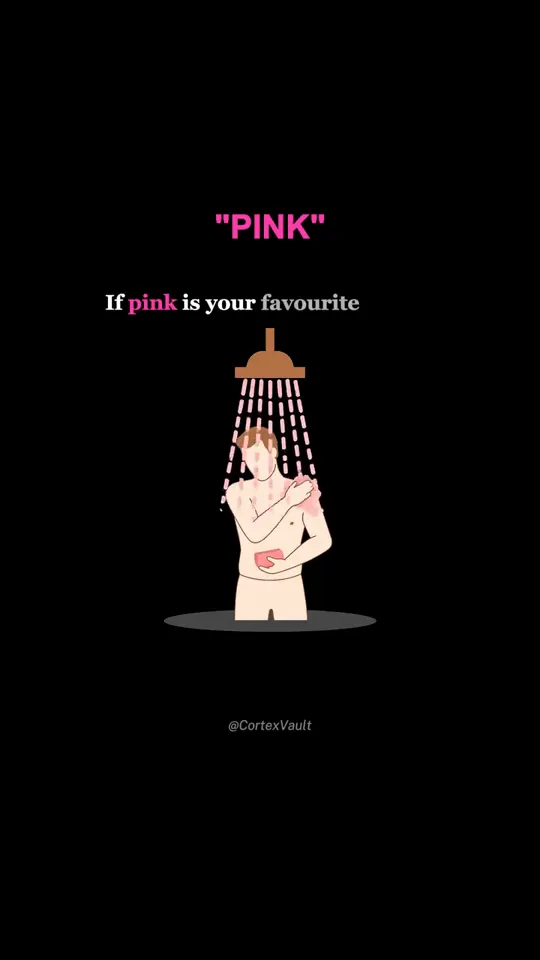
What it says about you if pink is your favorite color, by @cortexvault_
@cortexvault_ 5.8M 611KTikTokWhat it says about you if pink is your favorite color
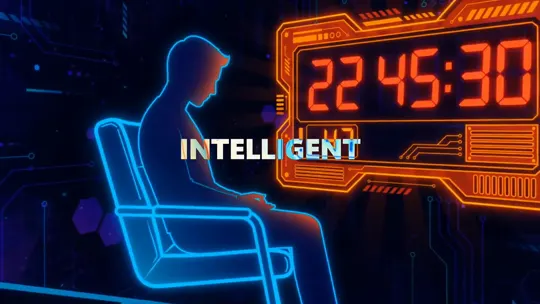
Why highly intelligent people say what before answering. The Audio Lag Paradox explained., by @thecognitionswitch
@thecognitionswitch 5.5M 650KTikTokWhy highly intelligent people say what before answering. The Audio Lag Paradox explained.
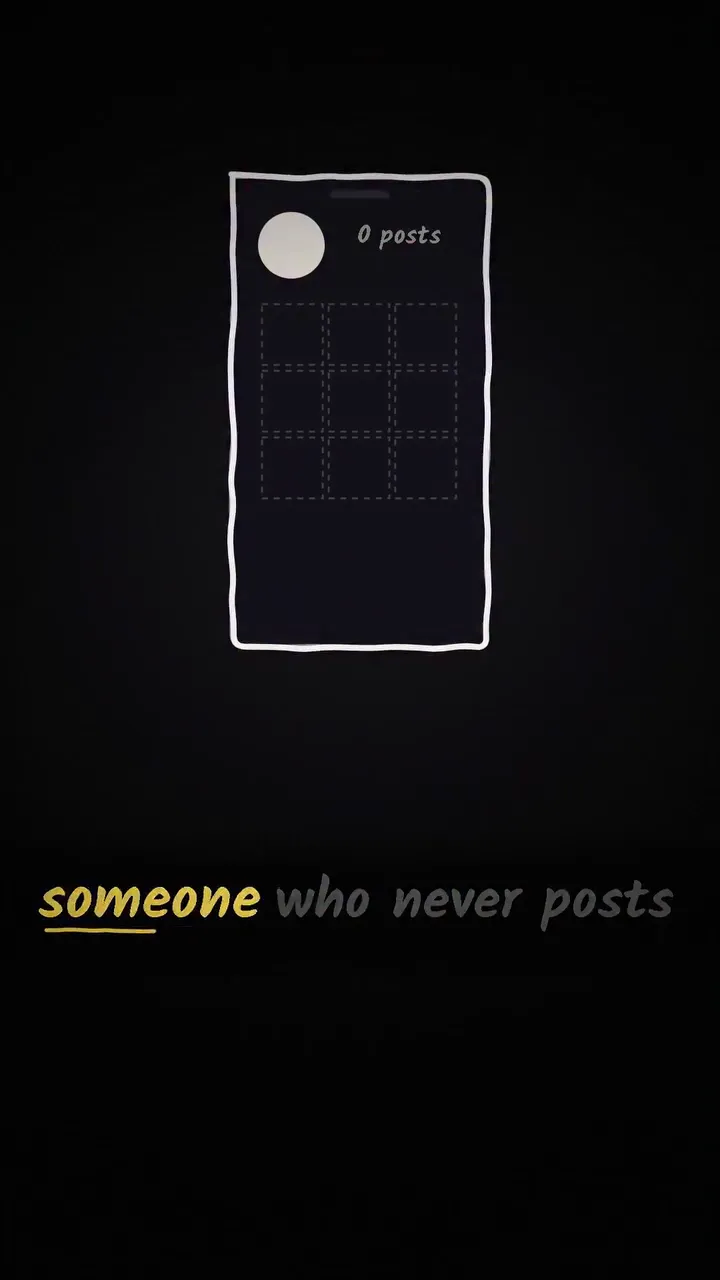
Why some people never post their photos on social media, by @psykeeu
@psykeeu 5M 228KInstagramWhy some people never post their photos on social media
Alexithymia: when emotions exist, but words don't, by @taraminds
@taraminds 3.7M 691KTikTokAlexithymia: when emotions exist, but words don't
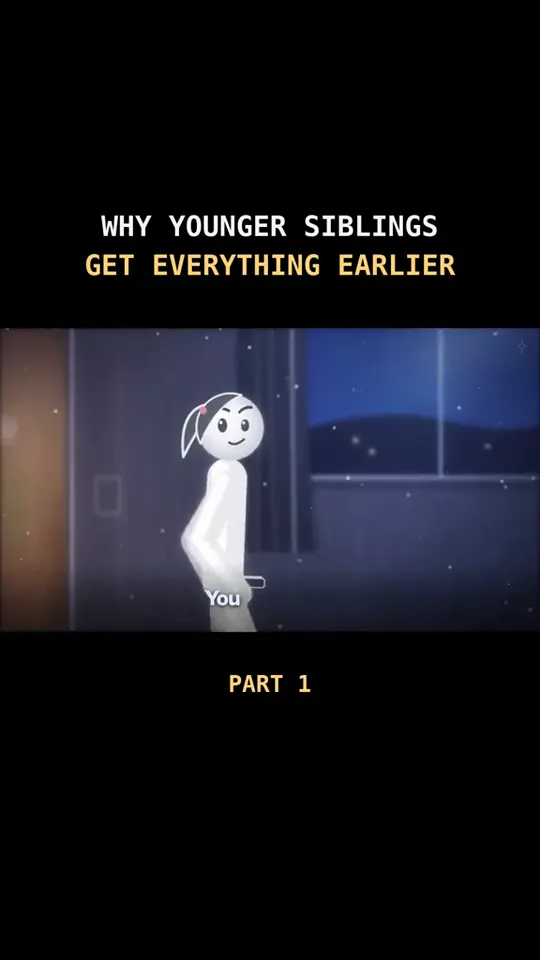
Why younger siblings get everything earlier, by @tavieenfilm
@tavieenfilm 1M 112KTikTokWhy younger siblings get everything earlier
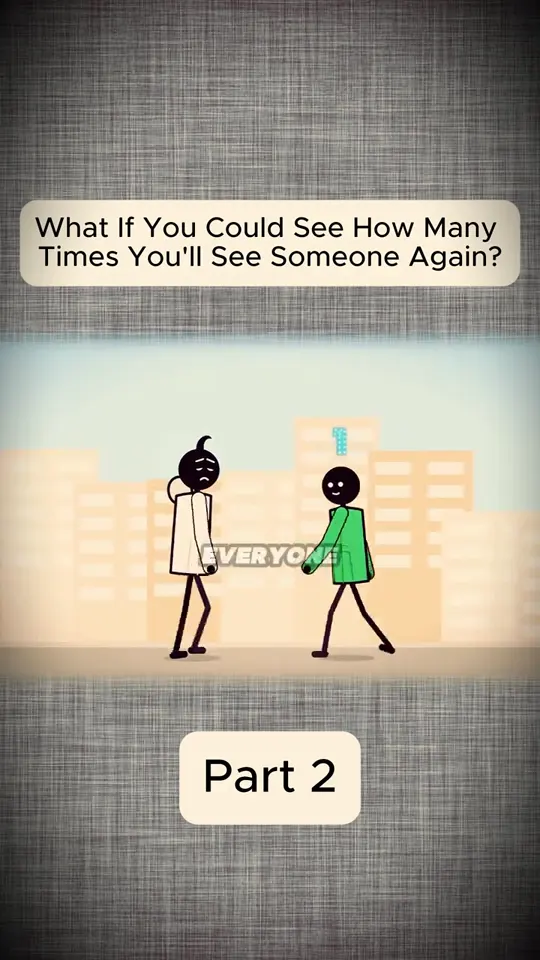
What if you could see how many times you'll see someone again?, by @truckyoo99
@truckyoo99 981K 63.8KTikTokWhat if you could see how many times you'll see someone again?
Psychology fact: the animal you love most says what your heart wants, by @psychologyofficial1.0
@psychologyofficial1.0 832K 143KTikTokPsychology fact: the animal you love most says what your heart wants
Psychology facts over satisfying cleaning clips, by @thetruthvault666
@thetruthvault666 513K 23.5KTikTokPsychology facts over satisfying cleaning clips
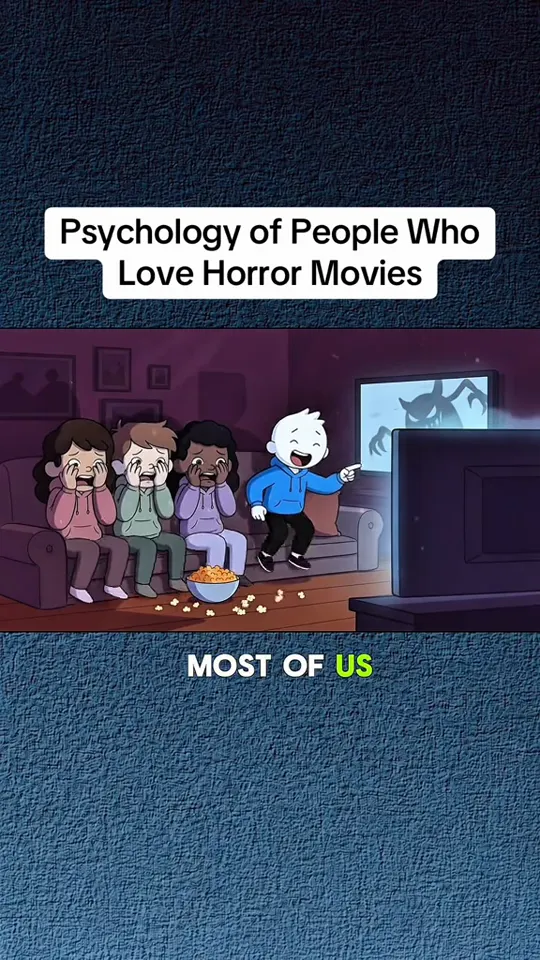
The psychology of people who love horror movies, by @curiositypsychology
@curiositypsychology 508K 44.9KTikTokThe psychology of people who love horror movies
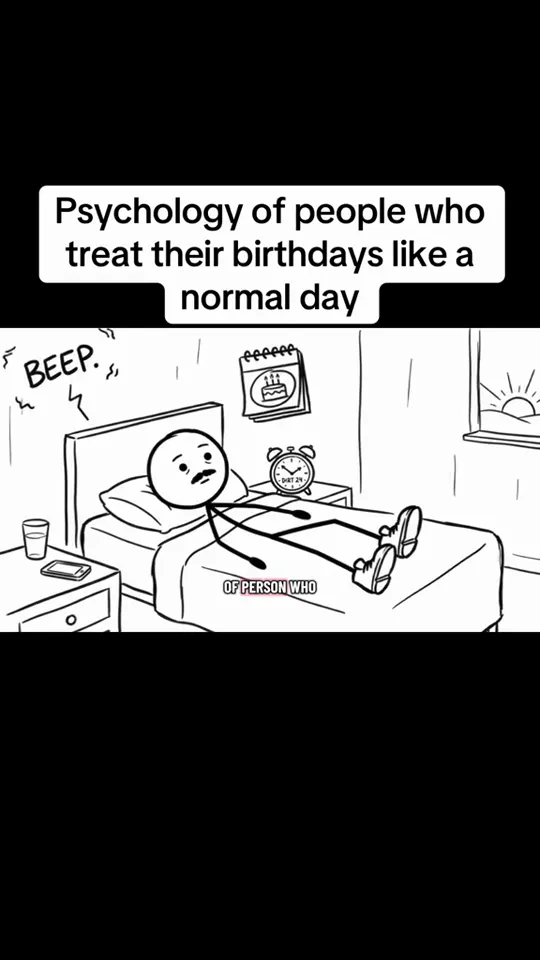
The psychology of people who treat their birthday like a normal day, by @mrlarrytv
@mrlarrytv 463K 20.8KTikTokThe psychology of people who treat their birthday like a normal day
Made with MakeViral

One line in, a finished psychology video out

1

Type the idea

"Why you remember embarrassing moments at night"

2

The AI writes and draws it

A script with a hook in the first two seconds, then every scene drawn in the 3D explainer style, a Brian voice-over, word-by-word captions and music.

3

Check, then download

Change any line or picture before it renders. In about 3 to 6 minutes you download a 9:16 MP4 with no watermark.

Try this line
A Psychology scene in the 3D explainer style
The recipe

What every viral psychology video does

The hook, first 2 seconds

Speak to the viewer in the first words: "If a song gets stuck in your head, your brain is trying to finish it."

  1. 1The everyday moment the viewer knows.
  2. 2What most people think the reason is.
  3. 3The real effect, with its real name.
  4. 4How it works inside the brain, in one or two steps.
  5. 5What it means for you, or the trick that fixes it.
  6. 6A quiet last line. The caption asks: how accurate was this?
Length
30 to 75 seconds. The six top TikTok posts run 63 to 73 seconds, so pick 60 for TikTok.
Voice
Calm and slow, about 130 words a minute, second person: "your brain", "you feel".
Look
3D explainer pictures by default. The niche also loves plain stick figures on black; pick Flat 2D for a flatter look.
Captions
The sentence builds word by word, the key word in color.
Music
A calm, slightly sad ambient bed. Almost no sound effects.
Posting
@cortexvault_ posts about once a week. Its last 10 videos have 3,998,983 views in the middle.

MakeViral writes to this recipe by default. You can change the length, look, voice, captions and music before you make the video.

The niche

Who makes psychology videos today

The accounts that own the format, with the followers their profile showed on the day we checked.

CreatorPlatformFollowersWhat they post
Psych2GoYouTube13.2MAnimated psychology since 2014, 2.1B total views
PsychToonsYouTube217KPsychology cartoons
@signalussTikTok191K
@cortexvault_TikTok148KPersonality traits by color and name
@taramindsTikTok110KEmotions and the mind
@psykeeuInstagram31.4KStick figures on black, human behavior
@thebioswitchTikTok24.4KNamed effects, explained
Before and after

How creators make it by hand, and how you make it here

By hand

  1. Claude or ChatGPT: pick one effect, check that it is real and has a real name, and write a calm 60 to 70 second script.
  2. A voice tool like ElevenLabs: read the script calm and slow, about 130 words a minute. source
  3. Google Veo or a drawing kit: make about 20 short 2D shots of 3 to 4 seconds each, with the same simple figures in every shot.
  4. After Effects or CapCut: time the shots to the voice and add the colored keyword title and the word-by-word sentence captions.
  5. Music library: add a calm ambient bed under the voice, then export 9:16.

On MakeViral about 3 to 6 minutes

  1. Type one line, or paste your own story (up to 800 words).
  2. The AI writes the script to the psychology recipe and checks the facts.
  3. Every scene is drawn in one look with the same characters, then animated.
  4. Voice-over in 29 languages, captions, music and sound effects are added.
  5. Change any line or scene, then download a 9:16 MP4 with no watermark.

What is a psychology facts video?

A psychology facts video takes one thing your mind does and explains it in about a minute. "Why do you forget why you walked into a room?" Most people have felt it. Few know it has a name and a reason.

The video starts by speaking to the viewer: "If you...", "Why do some people...". Then it gives the reason most people believe, the real effect behind it, and what that means for you. The voice is calm and slow. The pictures are simple, often stick figures or plain shapes, so nothing pulls the eye away from the idea.

Why does it hook? Because every viewer checks the video against their own life. One of the top videos of the niche simply asks viewers to comment "that's me". People share these videos with a friend who does the same thing, and they watch it twice to catch the effect's name.

Psychology facts on social media now

Psychology is a big faceless niche on every platform (all counts read November 2, 2026):

  • Psych2Go has 13.2 million YouTube subscribers and 2.17 billion total views from 4,061 videos since 2014.
  • @psykeeu posted "Why some men never chase women even when interested" on October 19, 2026. It has 12.4 million views, from an account with 31,455 followers. Its reel on people who never post photos went up the same day and has 5.06 million.
  • @cortexvault_ reached 13.7 million views with a video about names that start with K.
  • @thebioswitch got 7.8 million views on the Incubation Effect, with 24,413 followers.

The pattern: small accounts with one sharp question can reach millions. On Google, "psychology facts" gets 2,900 searches a month in the US and 14,800 worldwide.

How to make a psychology facts video with AI

  1. Pick one effect. One idea per video: the doorway effect, the spotlight effect, the frequency illusion.
  2. Write the hook as "you". "If you hear your name in a loud room..." The viewer must feel it in the first two seconds.
  3. Give the wrong reason first. Then turn it: "But the real reason is..."
  4. Explain it in two steps. What the brain does, then what you feel.
  5. Name it. The real name of the effect, said once, clearly.
  6. End calm. A quiet last line, no "follow for more".

On MakeViral, you type the question, for example "Why you forget why you walked into a room". The writer follows this order, in second person, and a fact check makes sure each effect is real, has its real name, and that a guess is said as a guess. The scenes are drawn in the 3D explainer look, a calm narrator reads them, and captions and music are added. You can change any line before it renders. It takes about 3 to 6 minutes.

How do creators make psychology videos by hand?

Most psychology accounts do not share their process. The steps behind the look are clear, though:

  • The script. Pick an effect, read about it, and write about 130 words a minute for a calm read. You can draft it with Claude or ChatGPT, then check every fact yourself.
  • The voice. A calm, slow voice, often from a text-to-speech tool like ElevenLabs.
  • The pictures. About 20 short shots of simple 2D figures. Some channels keep a kit of the same stick figures and animate them in After Effects. Others make the clips with an AI video model: we saw a Google Veo watermark in one of the top videos of the niche.
  • The edit. A colored keyword title at the top, a sentence that builds word by word, and a calm music bed, in CapCut or After Effects.

That is four tools and four steps per video. MakeViral writes, checks, draws, voices and edits it from one line.

Keep it true: real effects, real names

Trait lists like "if green is your favorite color" get huge views, but they are not research. A psychology channel that wants to last should explain effects that really exist. That is also what YouTube's rules reward: original work, not the same template with new words.

MakeViral's psychology writer names an effect only if it is real, uses its real name, and says a guess as a guess. A fact check pass reads the script before you see it. Some topics need extra care: mental health is not something to diagnose in 60 seconds, and "dark psychology" works best as "how to spot it", not "how to use it".

A 30-second psychology video costs 75 credits with the format's default motion, and a 60-second one for TikTok costs 132 credits. Credits come with a monthly plan, or as a $9.99 one-time pack of 100 credits. The voice works in 29 languages, and a good effect works in every one of them.

Getting paid

Can psychology videos make money?

  • YouTube pays creators who reach 1,000 subscribers and either 4,000 public watch hours in 12 months or 10 million public Shorts views in 90 days. source
  • Monetizing creators keep 45% of their share of Shorts ad revenue. source
  • YouTube does not pay for "AI-generated content made with generic or unoriginal templates giving the impression of mass production". A new effect in every video, with your own angle, is the safe side. source
  • YouTube does not ask creators to label "AI-generated animation within a fully animated video", and a label alone does not limit reach or money. source
  • TikTok Creator Rewards pays only for original videos longer than one minute, so pick the 60-second length for TikTok. source
FAQ

Psychology video questions

What are some psychology facts?
A few well-known ones: walking through a door can make you forget why you came (the doorway effect). You think people notice your mistakes more than they do (the spotlight effect). A new word seems to show up everywhere once you learn it (the frequency illusion). Losing $10 feels worse than finding $10 feels good (loss aversion).
What is a psychology facts video generator?
It is a tool that turns one question, like "Why does a song get stuck in your head?", into a short video that explains the real effect. MakeViral writes the script, checks the facts, draws the scenes in the 3D explainer look, adds a calm narrator, captions and music, and gives you a 9:16 MP4 with no watermark.
Are the facts in the video real?
MakeViral's psychology format is built to keep them real. The writer names an effect only if it exists, uses its real name, and says a guess as a guess. A fact check pass reads the script before you see it. You can still read and change every line before the video renders.
How long should a psychology video be?
The six top TikTok psychology posts we checked run 63 to 73 seconds. TikTok Creator Rewards pays only for videos longer than one minute, so pick 60 seconds there. For YouTube Shorts and Reels, the 30-second default keeps one idea tight and easy to watch twice.
Can I get the stick figure look?
MakeViral does not have a stick figure style. The psychology format uses the 3D explainer look by default. If you want something flatter and simpler, switch the look to Flat 2D before you make the video. Every scene then uses that one look.
Do psychology channels make money?
They can. YouTube pays creators with 1,000 subscribers and 10 million Shorts views in 90 days, or 4,000 watch hours in a year, and they keep 45% of their Shorts revenue share. YouTube does not pay for mass-produced template content, so give every video a new effect and your own angle.
Which psychology topics get the most views?
Topics the viewer can test on themselves: memory slips, habits, social moments, love and attention. Hooks that start with "you" or "why some people" do well, because viewers see themselves in them. Keep one effect per video and give it a clear name.
Can I make it in another language?
Yes. The script, the voice and the captions work in 29 languages. Type the question in your language or pick the language in the options. Psychology topics travel well, because the same effects happen in every brain, so one good script can become a video for each of your audiences.

Make your first psychology video

Type one line. Get a narrated 30-second video with captions and music, ready for TikTok, Reels and Shorts.

No watermark. A failed video gives its credits back. Secure checkout by Stripe.