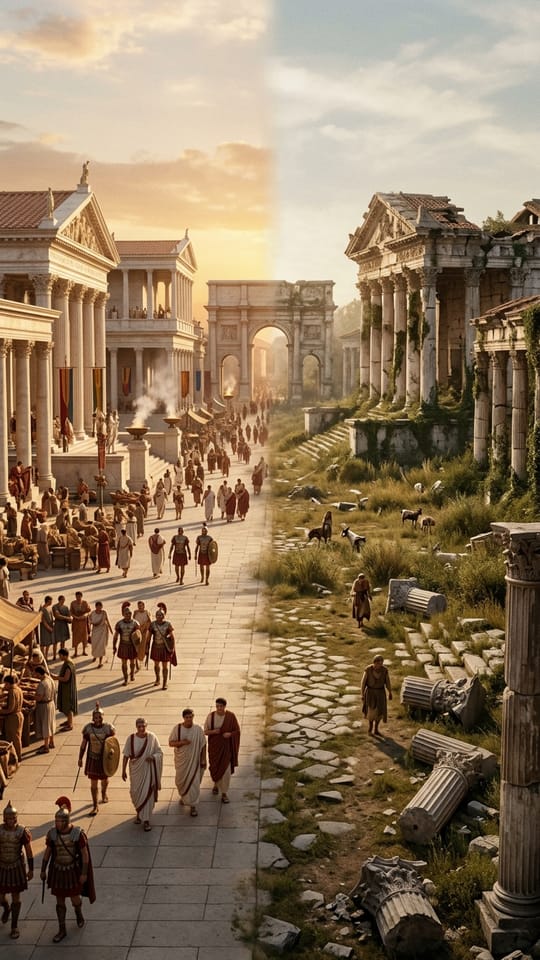
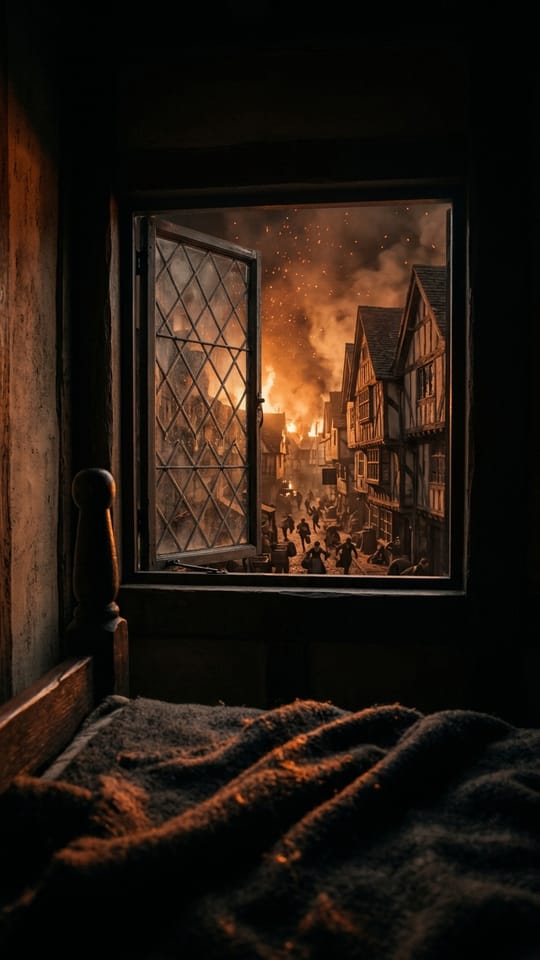
History format

AI History Video Generator

Type one moment from the past. The AI drops the viewer into the exact day and hour, checks every date and name, and tells it like a movie.

Type one lineA day in the life of a Roman gladiatorMake this video
  • 60 s
  • History look
  • Adam voice
  • Captions + music
  • 29 languages
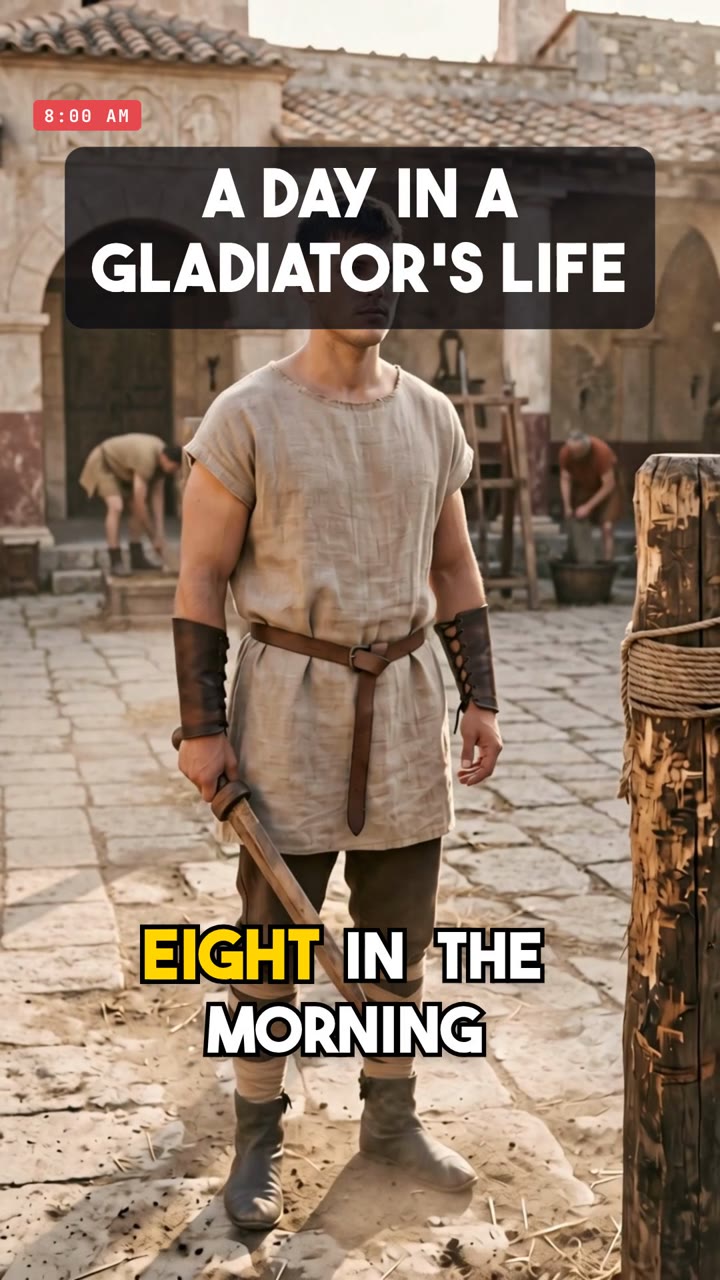
History video made with MakeViral: A day in the life of a Roman gladiator

Made with MakeViral from the one line “A day in the life of a Roman gladiator”.

288M
views on the 13 viral posts below
29.5M
followers on @zackdfilms, the top history creator we found
36.7M
followers across the 7 creators who own this niche
3,200+
videos made on MakeViral so far

Counts read on each post, profile and store page on 2026-11-02. Every number links to its source.

A history video tells one real moment from the past in about a minute: the date, the place, the people, the turn and one true detail most viewers never knew. On MakeViral you type the moment ("The night Pompeii disappeared") and get a 60-second narrated history video with fact-checked lines, captions and music.

Also called History video maker · AI history POV generator · Historical video generator · History shorts maker

Viral right now

History videos that went viral

Real posts by other creators, with the views they had when we checked. Tap one to open the original. This is the bar your video should reach.

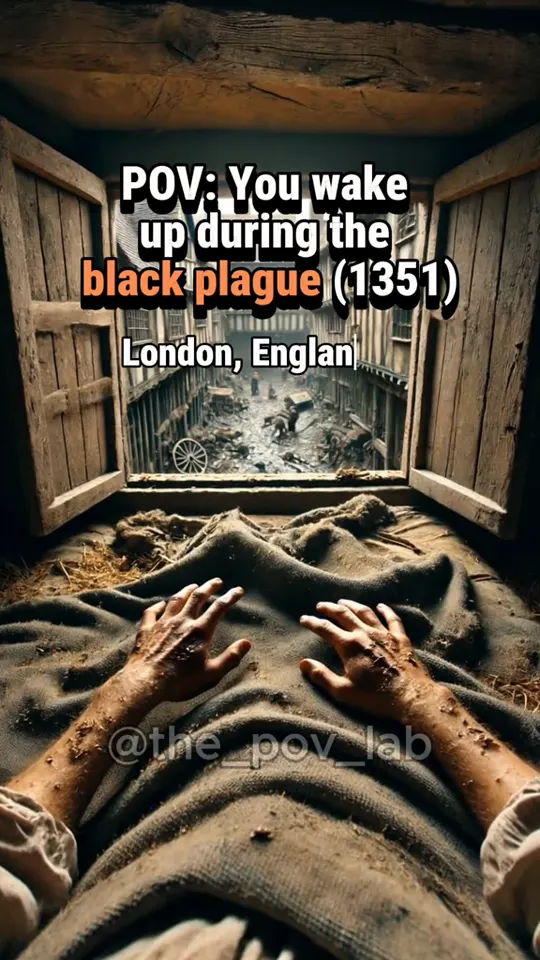
POV: You wake up during the black plague (1351), by @the_pov_lab
@the_pov_lab 69.9M 4.4MTikTokPOV: You wake up during the black plague (1351)
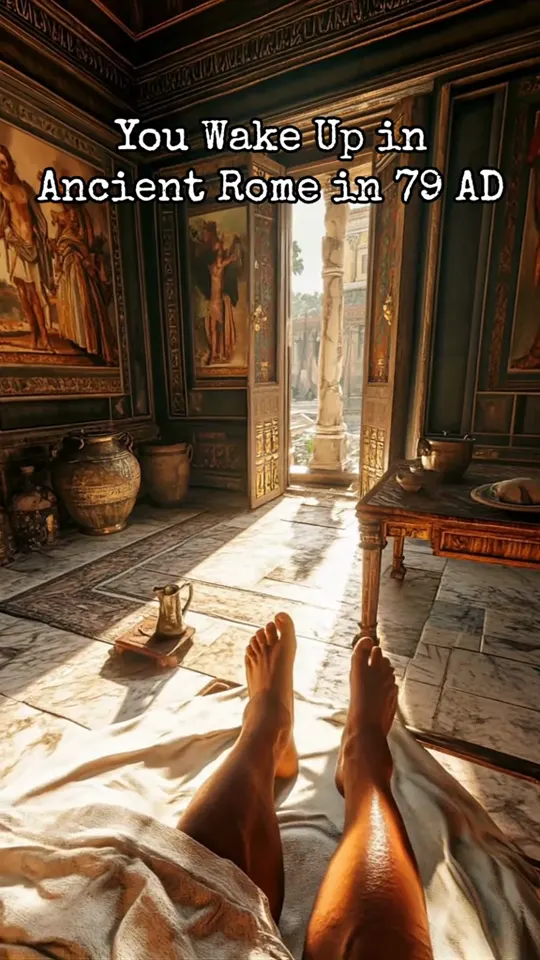
You wake up in Ancient Rome in 79 AD, by @ascenduris
@ascenduris 4.2M 275KTikTokYou wake up in Ancient Rome in 79 AD
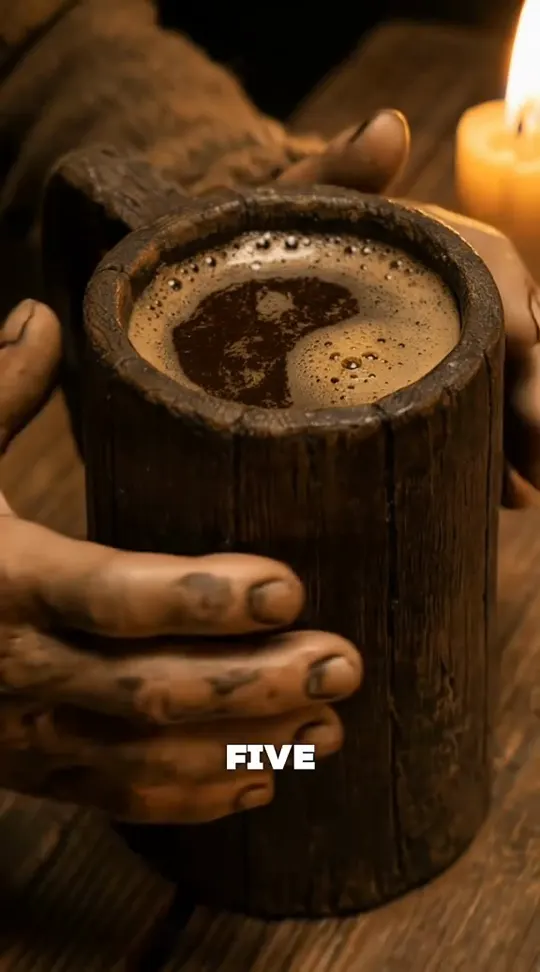
The filthy truth about medieval London, by @murkytv
@murkytv 3.1M 222KTikTokThe filthy truth about medieval London
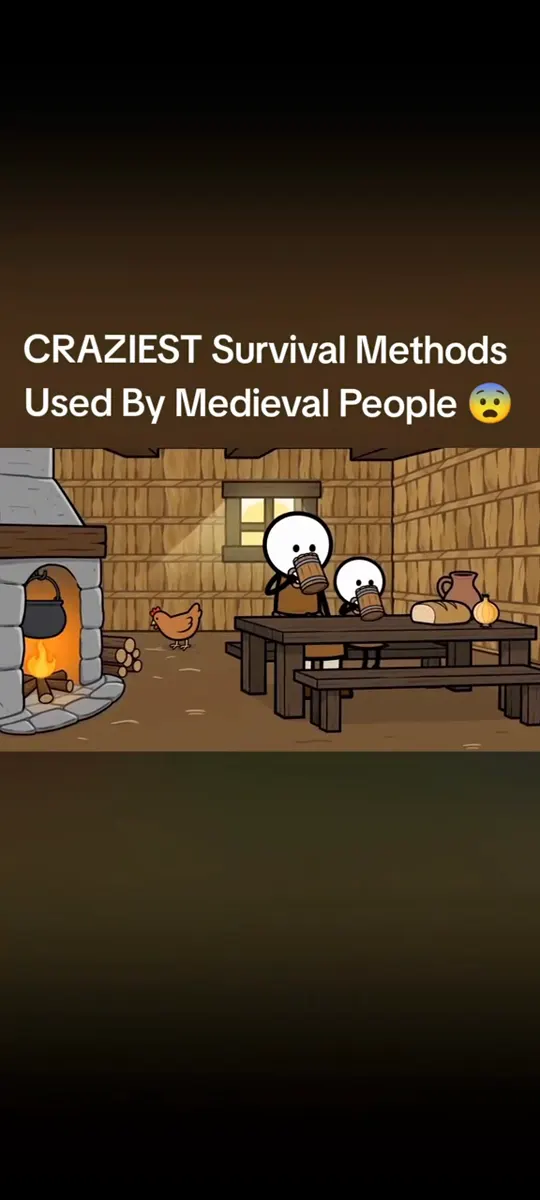
Craziest survival methods used by medieval people, by @_baddlad_
@_baddlad_ 2.3M 183KTikTokCraziest survival methods used by medieval people
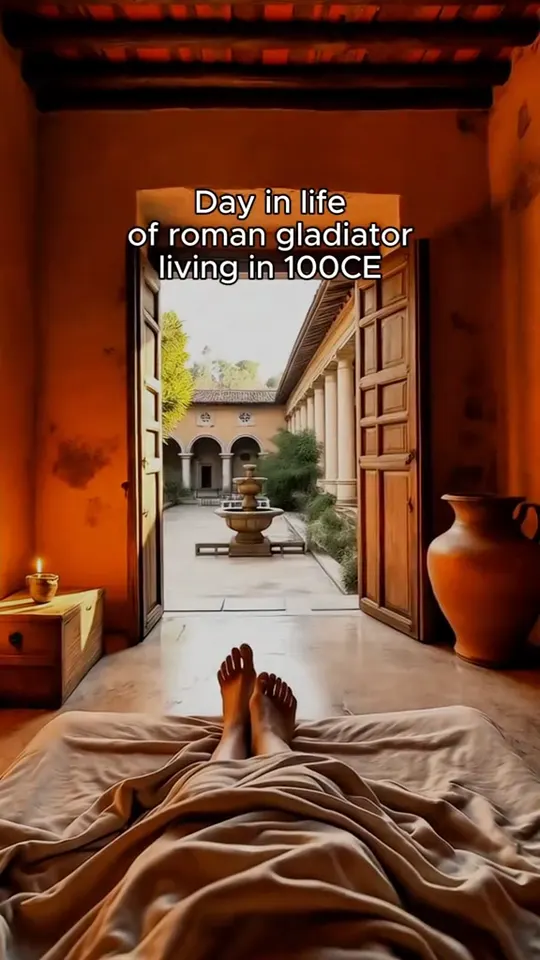
A day in the life of a Roman gladiator in 100 CE, by @thetimetravel
@thetimetravel 948K 50.3KTikTokA day in the life of a Roman gladiator in 100 CE
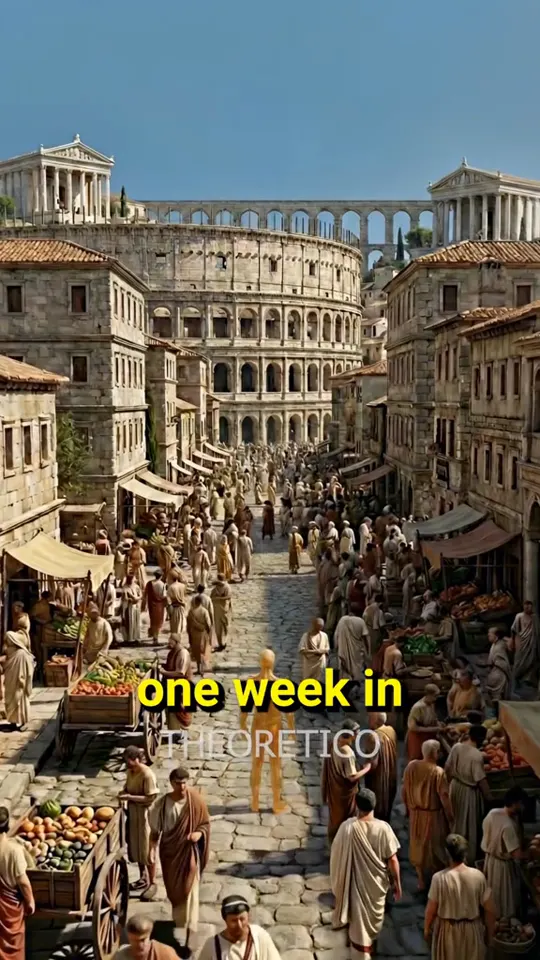
What if you spent 1 week in the Roman Empire?, by @theoretico5
@theoretico5 789K 65.3KTikTokWhat if you spent 1 week in the Roman Empire?
The nightly routine that made Rome unbeatable, by @sagalensfilms
@sagalensfilms 516K 17.7KTikTokThe nightly routine that made Rome unbeatable
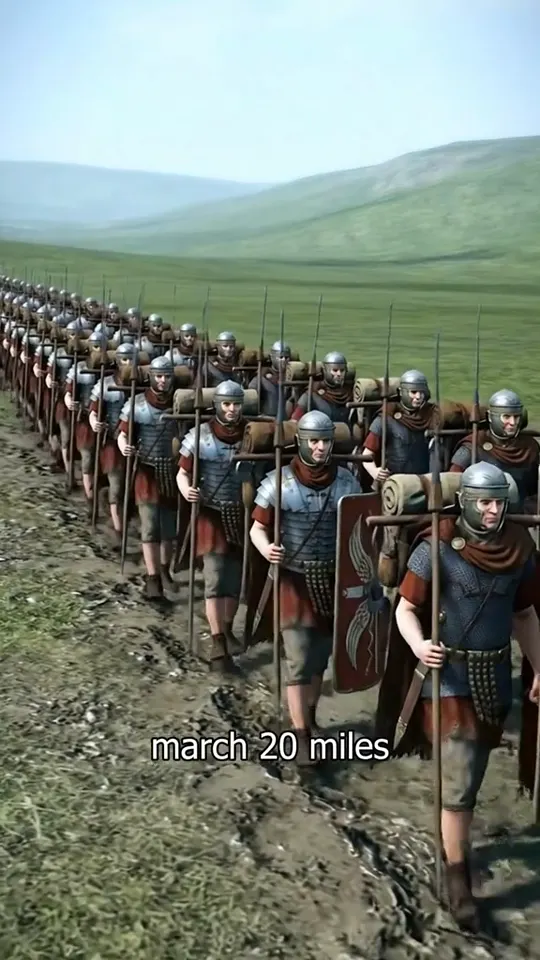
Roman soldiers carried 100 pounds of armor and almost none survived to retirement, by @oriven.tv
@oriven.tv 490K 43.4KTikTokRoman soldiers carried 100 pounds of armor and almost none survived to retirement
Made with MakeViral

One line in, a finished history video out

1

Type the idea

"A day in the life of a Roman gladiator"

2

The AI writes and draws it

A script with a hook in the first two seconds, then every scene drawn in the History style, a Adam voice-over, word-by-word captions and music.

3

Check, then download

Change any line or picture before it renders. In about 3 to 6 minutes you download a 9:16 MP4 with no watermark.

Try this line
History video made with MakeViral
The recipe

What every viral history video does

The hook, first 2 seconds

Start inside the exact moment, with a date and a clock: "It is August 24th, 79 AD, and Pompeii has eighteen hours left."

  1. 1The date, the place and the clock, in the first line.
  2. 2Who is there, and what a normal day looks like.
  3. 3The first warning sign that nobody understood.
  4. 4The turn: the moment everything changes.
  5. 5The climax, and what happened next.
  6. 6One surprising true detail, then a question to the viewer.
Length
About 60 seconds. AI POV history posts run 35 to 73 seconds, and 3D fact shorts in the Zack D. Films style run 27 to 36 seconds.
Voice
One storyteller narrator. Real people from long ago can be named.
Look
History: realistic period scenes, costumes and props, fire and window light, light film grain.
Captions
Bold, word by word. Put the year and the place in your post title: "POV: You wake up during the black plague (1351)".
Music
An epic music bed under the voice.
Posting
@povmasterxz has posted 75 videos since January 2024. Historically has 83 videos since March 2023.

MakeViral writes to this recipe by default. You can change the length, look, voice, captions and music before you make the video.

The niche

Who makes history videos today

The accounts that own the format, with the followers their profile showed on the day we checked.

CreatorPlatformFollowersWhat they post
@zackdfilmsYouTube29.5M3D fact shorts, many about history. Not affiliated with MakeViral
@WeirdHistoryYouTube4.7MHistory explainers
@heyhistoricallyYouTube1.6MAnimated history shorts with a credited human narrator
@learnhistorysimplyYouTube447KHistory, told simply
@the_pov_labTikTok433KAI POV history: "I use AI to entertain"
@povmasterxzTikTok29K"POV: You wake up in [city] in [year]"
@pov_historianYouTube12.8KHistorian Ai: AI POV history
Before and after

How creators make it by hand, and how you make it here

By hand

  1. A custom GPT: write the scene prompts. The AI Century tutorial uses a "Time Travel Vlog GPT". source
  2. Nano Banana 2: make one period still per scene, with the same look every time. source
  3. Kling 3.0: turn each still into a short moving clip. source
  4. Higgsfield: run the image and video models in one place. source
  5. CapCut: cut the clips and add the captions. @povmasterxz captions start with the "#CapCut" template tag. source

On MakeViral about 3 to 6 minutes

  1. Type one line, or paste your own story (up to 800 words).
  2. The AI writes the script to the history recipe and checks the facts.
  3. Every scene is drawn in one look with the same characters, then animated.
  4. Voice-over in 29 languages, captions, music and sound effects are added.
  5. Change any line or scene, then download a 9:16 MP4 with no watermark.

What is a history video?

A history video tells one real moment from the past as a short story. It does not list facts. It drops the viewer into a place and a time: "It is August 24th, 79 AD, and Pompeii has eighteen hours left." Then it shows the people, the normal day, the warning signs, the turn and what happened next.

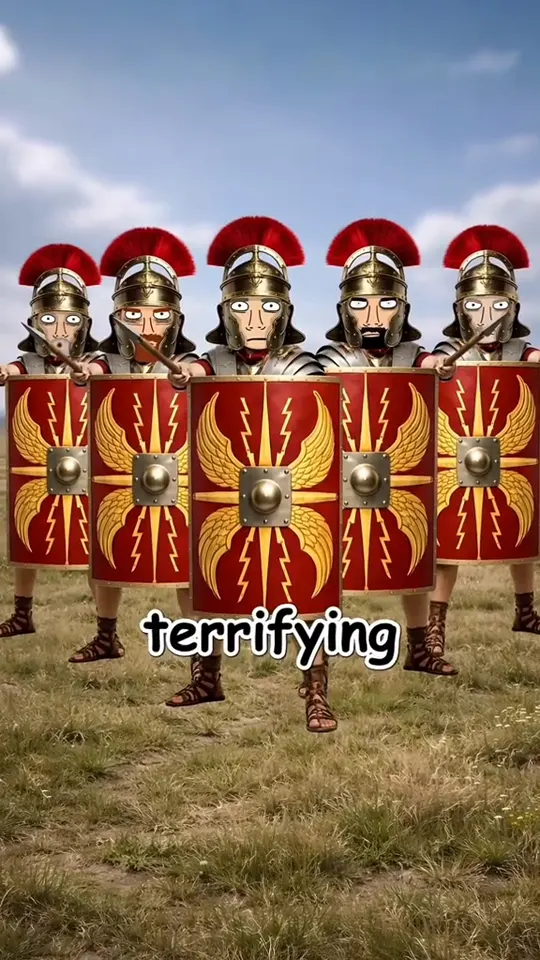
There are three big styles today. AI POV history puts the viewer inside the scene: "POV: You wake up during the black plague (1351)." 3D fact shorts in the Zack D. Films style answer one small question, like why George Washington never smiled. Animated explainers, like Historically, start with a big question and walk to the answer.

All three hook the same way. The first line gives a real date or a real question, so the viewer feels the story is true and wants to see how it ends. A good history video also ends on one surprising detail that makes people comment.

History shorts today, in real numbers

History is one of the biggest faceless niches. Zack D. Films has 29.5 million YouTube subscribers, and its short "Why George Washington Never Smiled" has 97.6 million views. Historically has 1.63 million subscribers, and its "60s before NUKE... (Japan)" has 28.2 million views (all read November 2, 2026).

The AI POV style is newer. The Post, a newspaper in Athens, Ohio, reports that TimeTravellerPOV started AI history vlogs in late January 2025 and passed 500,000 followers. Copy accounts got 100,000 to 800,000 followers in 30 days. On TikTok, @the_pov_lab posted "POV: You wake up during the black plague (1351)" in February 2025. It has 69.9 million plays.

Search shows the same interest. "ai history" has 8,100 searches a month in the US and rose 108% in a year, but part of that is people who want the history of AI. The exact video terms, like "ai history video generator", are still small, at about 10 searches a month.

How to make a history video with AI

  1. Pick one moment, not a whole era. "The night Pompeii disappeared" works. "The Roman Empire" is too big for one minute.
  2. Open on a date and a clock. Put the viewer in the room in the first line.
  3. Tell it in order. The normal day, the first warning, the turn, the climax, the aftermath.
  4. Check every fact. Dates, names, places and numbers must be true, because history viewers check in the comments.
  5. End on one true surprise, then ask the viewer a question.

On MakeViral you only do step 1. You type the moment, and the writer does steps 2 to 5. A fact check pass reads every date, name, place, number and amount of money before you see the script. The pictures come in the history look, with period costumes and props. The narrator, the bold word-by-word captions and an epic music bed come with it. You can change any line before it renders, and the video is ready in about 3 to 6 minutes.

How do creators make history videos by hand?

Most accounts do not show their tools. One tutorial with 221,583 views, AI Century's "How To Make Time Travel Vlogs With AI", lists a full pipeline: a custom "Time Travel Vlog GPT" writes the prompts, Nano Banana 2 makes the stills, Kling 3.0 turns them into clips, and Higgsfield runs the models. Then the creator edits it all. @povmasterxz tags its captions "#CapCut", so the edit happens there.

That is five tools for one video, plus a voice and the research. For a clean 3D look, some makers build scenes in Blender, and Blender MCP lets Claude place the scene for them. It gives full control, but it is slow per video.

On MakeViral the script, the pictures, the motion, the voice, the captions and the music come from one line. You keep control because you can edit the script before the video renders.

Are AI history videos accurate?

Not always. A YouTube short by magnify, "Fact Checking AI History Videos (Part 1)", has 6.2 million views. It says an AI video about Pompeii "got 7 million views, but nearly every detail in it is misleading". Viewers notice, and wrong facts cost trust.

That is why the history format on MakeViral checks the script before you see it. The fact check reads every date, name, place, number and amount of money against history, and a comparison like "a soldier's yearly pay" must be true too. You still read the script and can change any line.

Realistic AI scenes need a label on YouTube. YouTube's rule says the label alone does not limit reach or money.

A 60-second history video costs 132 credits with some motion, the format's default, and a 30-second one costs 75. Credits start with a $9.99 one-time pack of 100 credits, and you see the price on the button before you pay. The voice works in 29 languages.

Getting paid

Can history videos make money?

  • YouTube pays Shorts creators who have 1,000 subscribers and 10 million valid public Shorts views in the last 90 days. source
  • Creators in the YouTube Partner Program keep 45% of their share of Shorts ad revenue. source
  • YouTube does not pay for "AI-generated content made with generic or unoriginal templates giving the impression of mass production". A history video with your own topic, real dates and real people is your own work. source
  • YouTube asks creators to label realistic AI content. A label alone does not limit reach or money. source
  • TikTok Creator Rewards pays only for original videos longer than one minute. source
FAQ

History video questions

What is an AI history video generator?
It is a tool that turns one line, like "The night Pompeii disappeared", into a short narrated video about a real moment from the past. MakeViral writes the script, checks the facts, makes the period scenes in one look, and adds a voice-over, word-by-word captions and music. You get a 60-second 9:16 video in about 3 to 6 minutes.
Are AI history videos accurate?
Many are not. A fact check video by magnify, with 6.2 million views, found that an AI Pompeii video with 7 million views had "nearly every detail" misleading. MakeViral runs a fact check on every history script: dates, names, places, numbers and money. You also read the script and can fix any line before it renders.
Are these historical YouTube channels AI-generated?
Some are and some are not. @the_pov_lab says "I use AI to entertain". Historically credits a human narrator and animators. You cannot tell from the views alone. Read the channel description and look for the AI label that YouTube asks creators to add to realistic AI videos.
How do you create history videos with AI?
By hand, creators write prompts with a chatbot, make stills with an image model like Nano Banana 2, animate them with a video model like Kling 3.0, then add a voice and edit in CapCut. On MakeViral you type one moment from history and get the full video with the script, scenes, voice, captions and music.
Can a faceless AI history channel make money?
It can, if YouTube accepts it into the Partner Program. For Shorts, that needs 1,000 subscribers and 10 million valid public Shorts views in 90 days. YouTube does not pay for mass-produced AI content from generic templates. Pick your own topics, check your facts and keep a clear style to stay on the right side of that rule.
How do you make "POV: you wake up in [year]" videos?
Type the line as you want it, for example "You wake up in London in 1666". The history format tells it with a narrator. For a full first-person story where the viewer is the hero, open the POV format on MakeViral instead. Both write the script, make the scenes and add the voice, captions and music.
Where can I watch AI history videos on YouTube?
Search YouTube Shorts for "AI history POV" or "POV you wake up". Historian Ai (@pov_historian) posts AI POV history, and its "POV: You Wake up as a North Korean" has 7 million views. On TikTok, @the_pov_lab and @povmasterxz post the same style.
Do I have to label AI history videos on YouTube?
YouTube asks creators to label realistic AI content, like a photoreal scene of a real event. A label is not needed for clearly unrealistic scenes or a fully animated video. YouTube says the label alone does not limit reach or monetization, so add it when your scenes look real.

Make your first history video

Type one line. Get a narrated 60-second video with captions and music, ready for TikTok, Reels and Shorts.

No watermark. A failed video gives its credits back. Secure checkout by Stripe.