AI story video generator

AI Story Video Generator: Type One Line, Get a Narrated Video

Type one line, like "What if the moon disappeared?". AI writes the script, draws every scene, adds motion shots, a voice-over, word-by-word captions and music, and hands you a finished 9:16 video.

You type

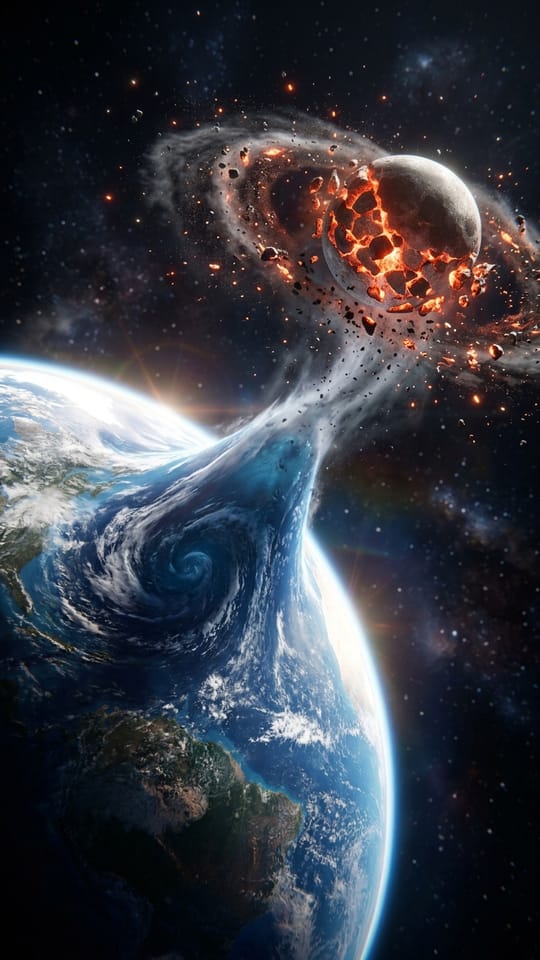
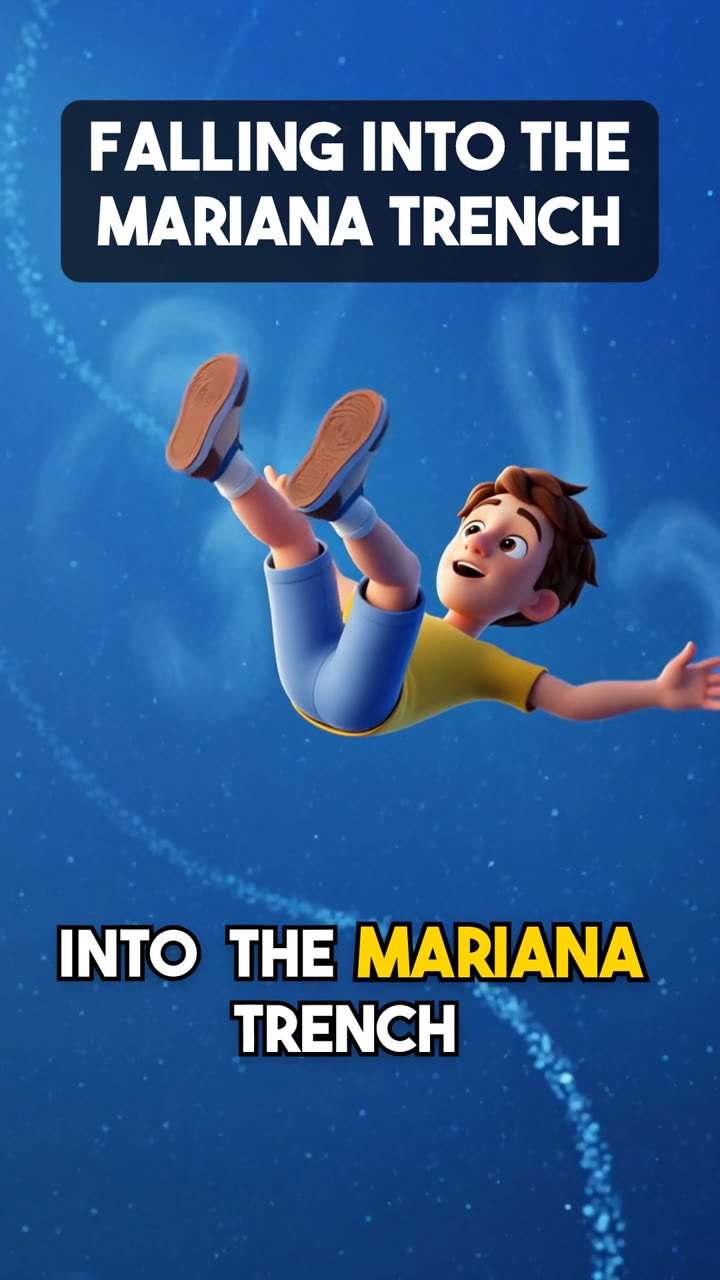
What ifWhat if you fell into the Mariana Trench?

A What if story video made with MakeViral from one line
You get
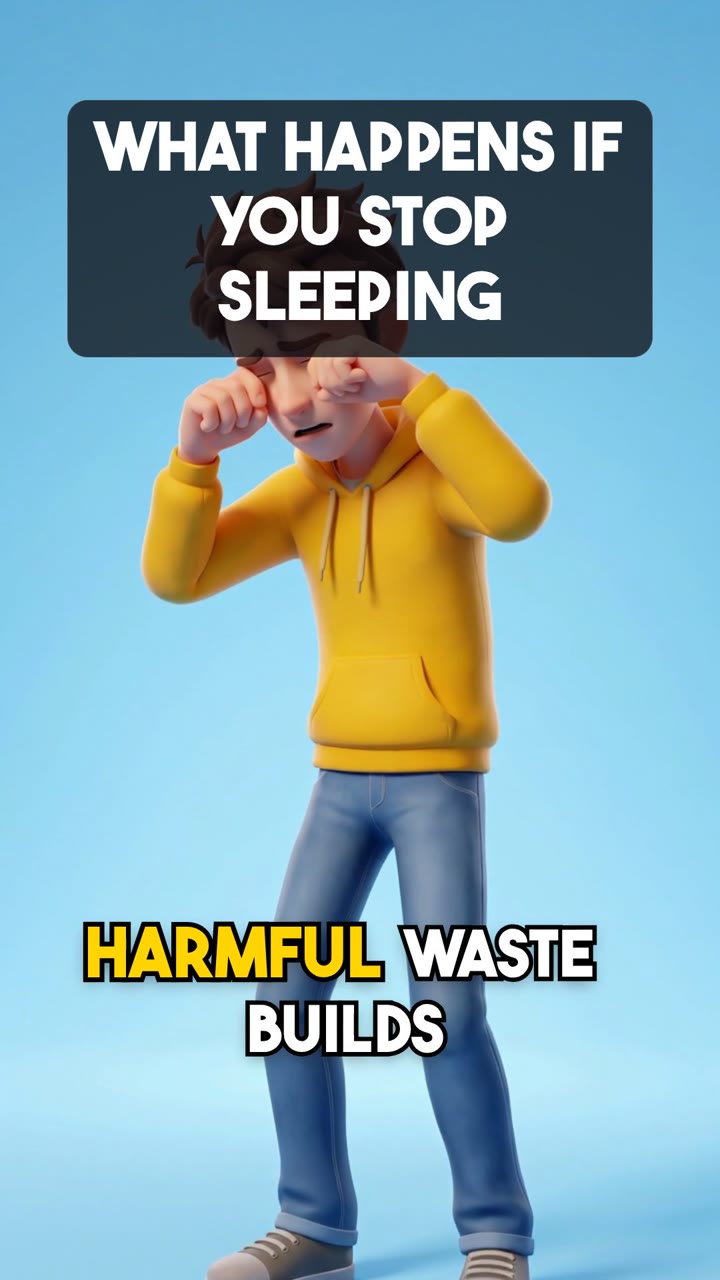
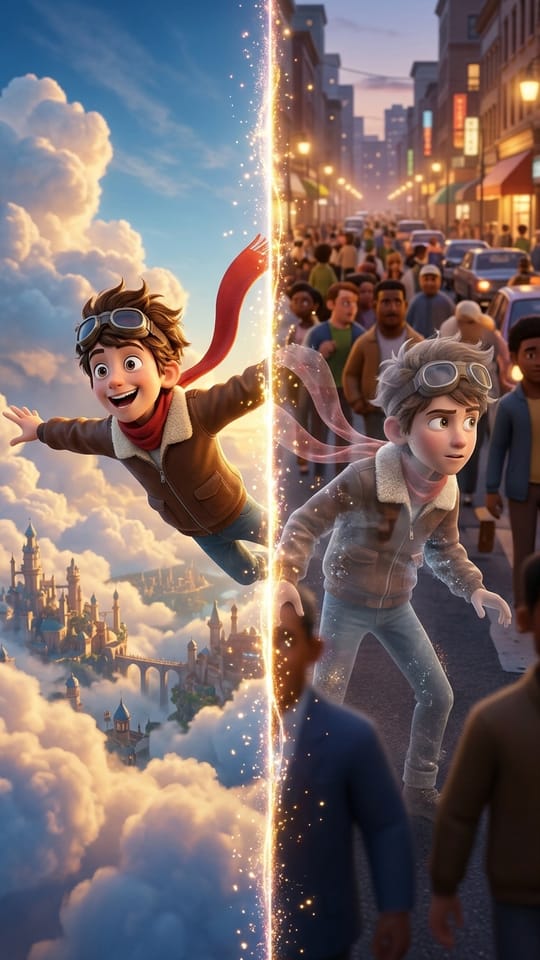
  • 9 AI scenes in the 3D explainer style
  • A voice-over that reads the script
  • Word-by-word captions
  • Music under the voice
  • A 30-second MP4, ready to post
Made with MakeViral from the line "What if you fell into the Mariana Trench?".
200 billionViews a day on YouTube ShortsYouTube, 2026
189 millionPeople TikTok reaches in the EU every monthTikTok, 2026
2.60%Average engagement on TikTok, against 0.45% on Reels and 0.30% on ShortsSocialinsider, 2026
2,200+Videos rendered on MakeViral so farCounted on this site, hourly
Sources

Every figure was read on the page it links to on 2026-09-18. The MakeViral counts come from this site and update every hour.

An AI story video generator turns one line of text into a finished, narrated short video. On MakeViral you type an idea such as "What if the moon disappeared?", pick a format, and get a 30, 60 or 90 second video with AI scenes, a voice-over, captions and music, ready for TikTok, Reels and YouTube Shorts.

Also called AI story video maker ยท story to video AI ยท AI video story generator ยท text to story video ยท AI narrated video ยท AI storytelling video ยท faceless story video ยท AI animated story video

18 formats

What kind of story video do you want?

Pick one. The story page opens with the right style, voice, music and length already set. Change any of it, or just type your line.

Making what if videos? The what if video generator page has 30 ideas, the 3D explainer recipe and tips.

The story behind the trend

Where AI story videos came from

These formats are older than TikTok. Science channels asked "what if", horror narrators read creepypasta, and cartoonists drew their roommate drama, all by hand. Short video made them huge, and AI made them fast. Here is how it happened, with real dates and view counts.

  1. 1979

    Readers pick the next page

    Bantam's Choose Your Own Adventure books let the reader decide what happens. The series sold more than 250 million copies by 1998 (Wikipedia). Every "comment A or B" video today runs on the same idea.

  2. 2009 to 2014

    Horror stories move online

    Slender Man was born on the Something Awful forum in June 2009, and r/nosleep opened in March 2010 (Wikipedia). Narrators like MrCreepyPasta (2011) and Mr. Nightmare (2014) read these stories aloud on YouTube. Mr. Nightmare alone has about 1.7 billion views.

  3. 2013 to 2018

    Science channels ask "what if"

    AsapSCIENCE posted "What If You Stopped Going Outside?" in August 2013, a year after Randall Munroe started his xkcd What If? column. Kurzgesagt followed in 2015. Its "What If You Detonated a Nuclear Bomb In The Marianas Trench?" has about 37 million views.

  4. 2013 to 2016

    Storytime becomes a cartoon

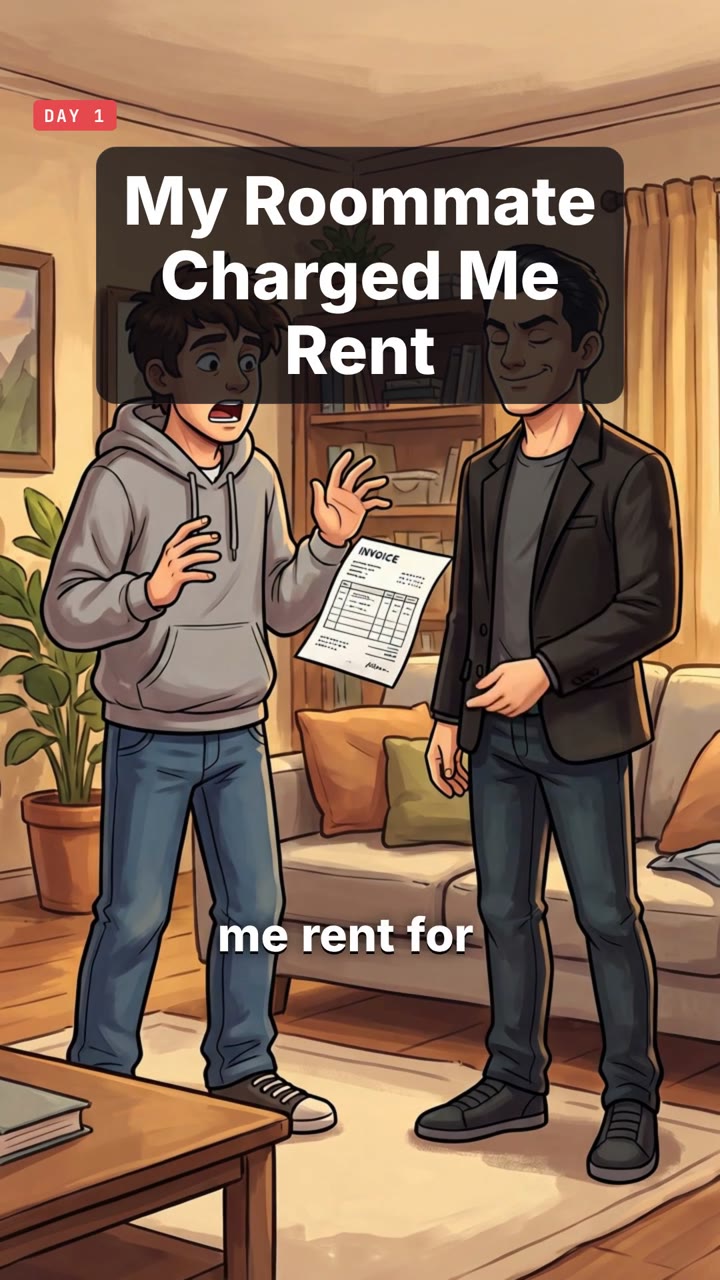
    r/AmItheAsshole opened in June 2013 and gave the internet endless first-person drama. TheOdd1sOut drew his own life as simple cartoons: "My Thoughts on Roommates" (2016) has about 105 million views.

  5. 2020 to 2021

    Short video arrives

    Instagram Reels launched in August 2020, and YouTube Shorts went global in July 2021 (Tubefilter). TikTok added its text-to-speech voice in December 2020. From then on, a story video needed no face and no microphone.

  6. 2022

    Reddit stories over Subway Surfers

    A robot voice reading a Reddit post over game footage became the first mass faceless format. The CEO of Subway Surfers' developer said these videos brought the game "a new wave of eyes" (Kotaku).

  7. 2023 to 2024

    The 3D explainer look

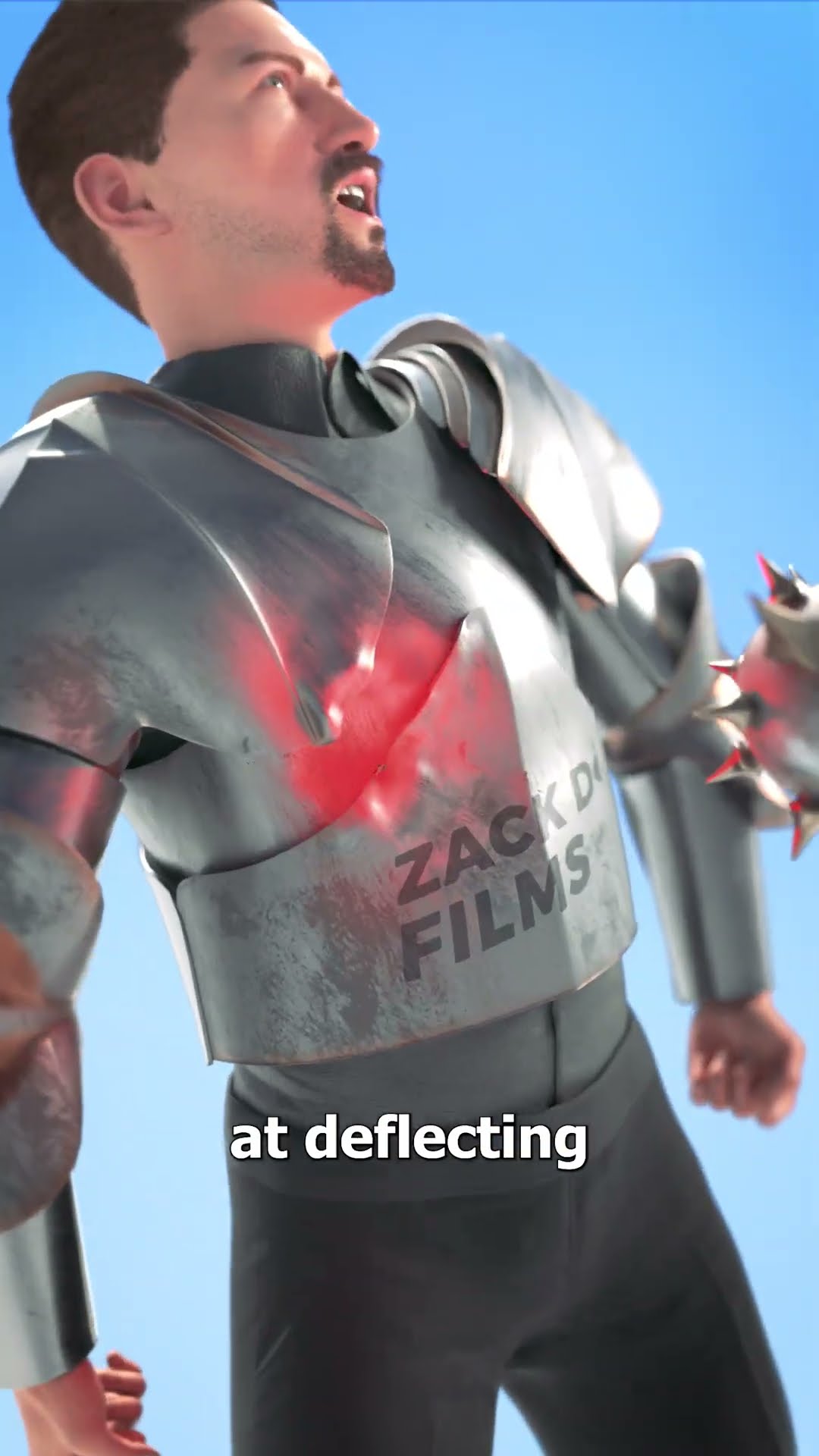
    Zack D. Films started in June 2021 with a video about Buc-ee's, the Texas gas station chain. By mid-2023 its Shorts had the clean 3D look that people now call the Zack D. Films style. "How Stitches Work" (February 2024) has about 255 million views, and in May 2024 the channel reached more U.S. teens than any other creator (The Measure).

  8. 2025

    AI history POVs

    In late January 2025 the TikTok account Time Traveller POV posted AI "vlogs" from Pompeii and old London. It passed 500,000 followers in about six weeks, and copies with 100,000 followers or more followed within a month (The Post). In May, Google's Veo 3 added sound to AI video.

  9. October 2026

    The comments write the story

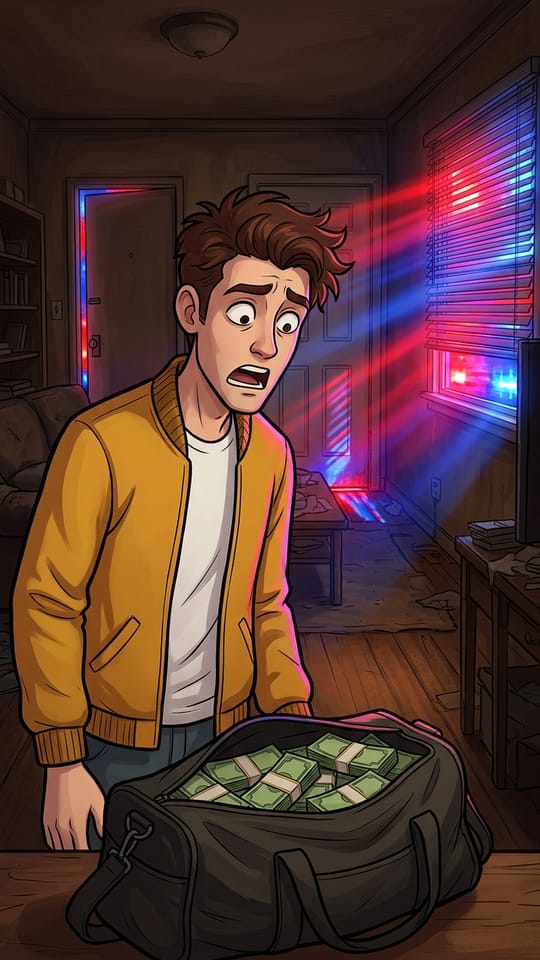
    On October 13, 2026, the Instagram account saveo.house posted Day 1 of a heist story: "You just stole $10 million." The comments vote, and the winning choice becomes the next part. Its 8 parts reached about 27 million plays in 10 days, and about a week later new YouTube channels with the same "comment A or B" setup appeared.

  10. Today

    One typed line, one finished video

    The formats are proven. What took an animator, a narrator and an editor now starts with one line on MakeViral. It writes the script in short, everyday English, checks the facts, draws every scene in one art style, and lets you change any line before you make the video.

The biggest video in each format

The most viewed video we found for each format we make. Tap one to watch it where it was posted.

  1. 255M viewsHow Stitches WorkZack D. Films ยท YouTube ยท Feb 2024
  2. 157M viewsCould Ancient Armor Stop Bullets?Zack D. Films ยท YouTube ยท Jul 2024
  3. 147M viewsPyaaz roti wali chudail, a ghost story in HindiBhootiya Vlogger ยท YouTube ยท Sep 2023
  4. 105M viewsMy Thoughts on RoommatesTheOdd1sOut ยท YouTube ยท Jul 2016
  5. 83.6M viewsWhat If Earth Stopped SpinningFactoHolic ยท YouTube ยท Jul 2025
  6. Instagramโ€œYou just stole $10 million.โ€13.8M viewsDay 1 of a heist the comments decidesaveo.house ยท Instagram ยท Oct 2026

Views read on from the YouTube Data API and Instagram. They keep growing.

Format by format

The story behind each format

Where each one started, the numbers that made it big, and why it still works. Tap a card to make one.

  • What ifSince 2013

    What if, how it works and why

    The question came from long science videos: AsapSCIENCE (2013), Life Noggin and Kurzgesagt (2015). Short video cut it to 30 seconds. A surprise in the data: only 57 of the about 4,100 Zack D. Films titles start with "What If", and the first came in January 2025. Most of its hits are "How X works" and "Why" questions, so the format is about curiosity, not two words.

    Why it works

    • The question is the hook, and it starts in the first second.
    • It is short and it loops: the median Zack D. Films video is 32 seconds.
    • The topics never get old, so one video can grow for years.
    Try What if
  • Your bodySince 2007

    Your body, from the inside

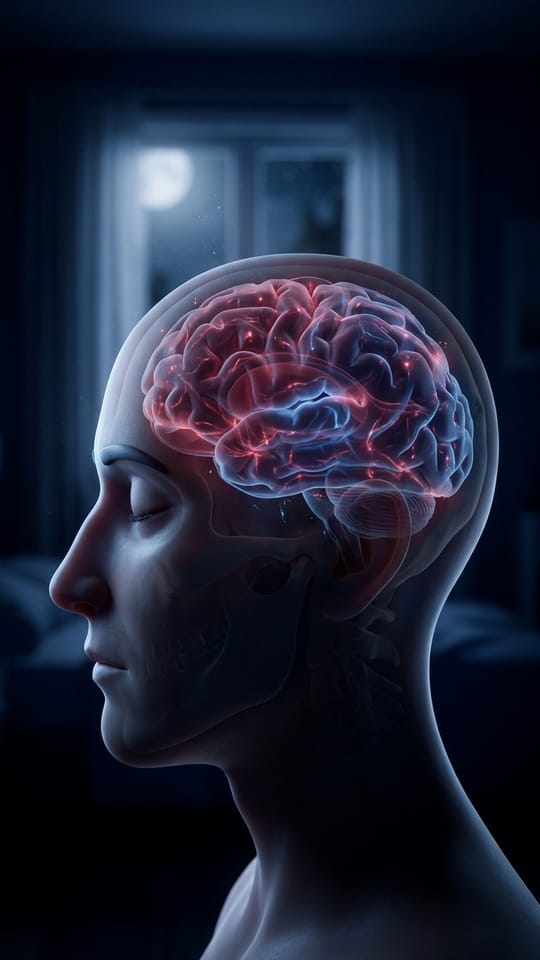
    Nucleus Medical Media has posted 3D medical animations since 2007, and its COVID-19 video has about 341 million views. Zack D. Films made the body fact a 30-second short: its two most viewed videos, and 4 of its top 10, are about the human body. "How Stitches Work" alone has about 255 million views.

    Why it works

    • It starts with a moment you have lived, like water stuck in your ear.
    • It shows what no camera can film: the inside of your body.
    • Many end with a tip the viewer can use today.
    Try Your body
  • Choose your pathSince 1979

    The comments decide

    The idea is from the Choose Your Own Adventure books, and Netflix tried it on screen with Black Mirror: Bandersnatch in 2018. In October 2026 saveo.house turned it into an Instagram series where the comments vote on what happens next. Day 1 has about 13.8 million plays.

    Why it works

    • Every comment is a vote: saveo.house went from 1.3 comments per 100 likes on Day 1 to 13.6 on Day 6.
    • "You" are the hero, in the present tense.
    • Each part ends with a reason to come back for the next one.
    Try Choose your path
  • HistorySince 2012

    A day in the life, long ago

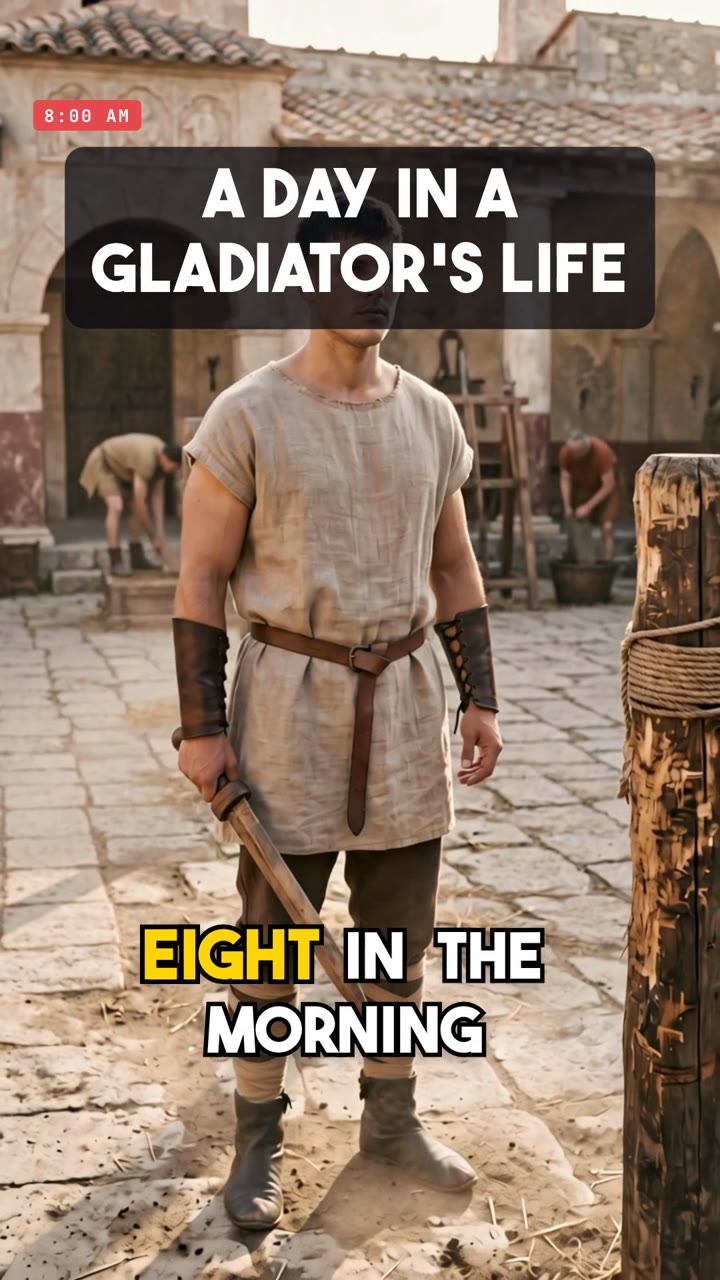
    TED-Ed's animated "A day in the life of..." series showed that people love the everyday side of the past: its Roman soldier video has about 12 million views. In 2025 AI history POVs took off on TikTok. Reporters also found historical and physical mistakes in many of them, so a history video that checks its facts stands out.

    Why it works

    • "You" wake up in the past, so the viewer is inside the story.
    • Daily detail beats dates: the food, the armor, a normal morning.
    • Checked facts earn the trust that many AI history videos lose.
    Try History
  • Scary storySince 2009

    From creepypasta to Shorts

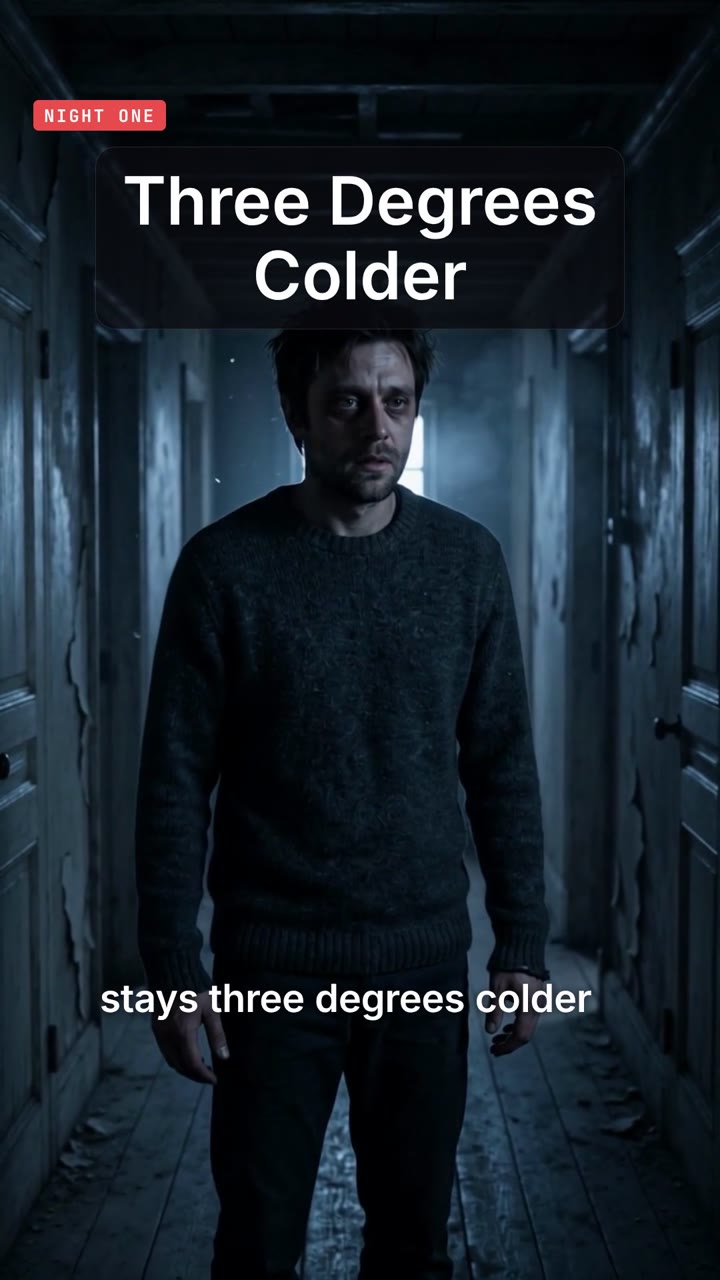
    Slender Man (2009) and r/nosleep (2010) made short horror an internet habit, and narrators like Mr. Nightmare turned it into YouTube hits. On Shorts the genre went global: in a YouTube search for scary story Shorts, 6 of the top 10 were ghost stories in Hindi. In 2020 r/nosleep protested narrators who used stories without permission, which is why every MakeViral scary story is written new.

    Why it works

    • The "true story" frame: 5 of Mr. Nightmare's 8 most viewed titles say "True".
    • One rule, one threat and one twist fit in under a minute.
    • An original story is yours to post.
    Try Scary story
  • StorytimeSince 2013

    Reddit drama, told out loud

    r/AmItheAsshole (2013) gave the world endless first-person drama, and TheOdd1sOut drew his own as cartoons. In 2022, Reddit stories read by a robot voice over Subway Surfers took over TikTok. After TikTok started to pay only for videos over one minute in February 2023, these stories got longer. MakeViral writes new Reddit-style stories and never reads real posts.

    Why it works

    • A first-person fight asks for a verdict, and viewers comment theirs.
    • Something to watch while you listen keeps eyes on the screen.
    • Roommates, bosses and exes are the same drama in every country.
    Try Storytime

What is an AI story video generator?

An AI story video generator does the whole job of a short-form editor from one sentence. You give it an idea. It gives you back a finished video with five parts:

  • A script that opens with a hook and keeps one idea per line, in short, easy words that every viewer understands, also viewers whose first language is not English.
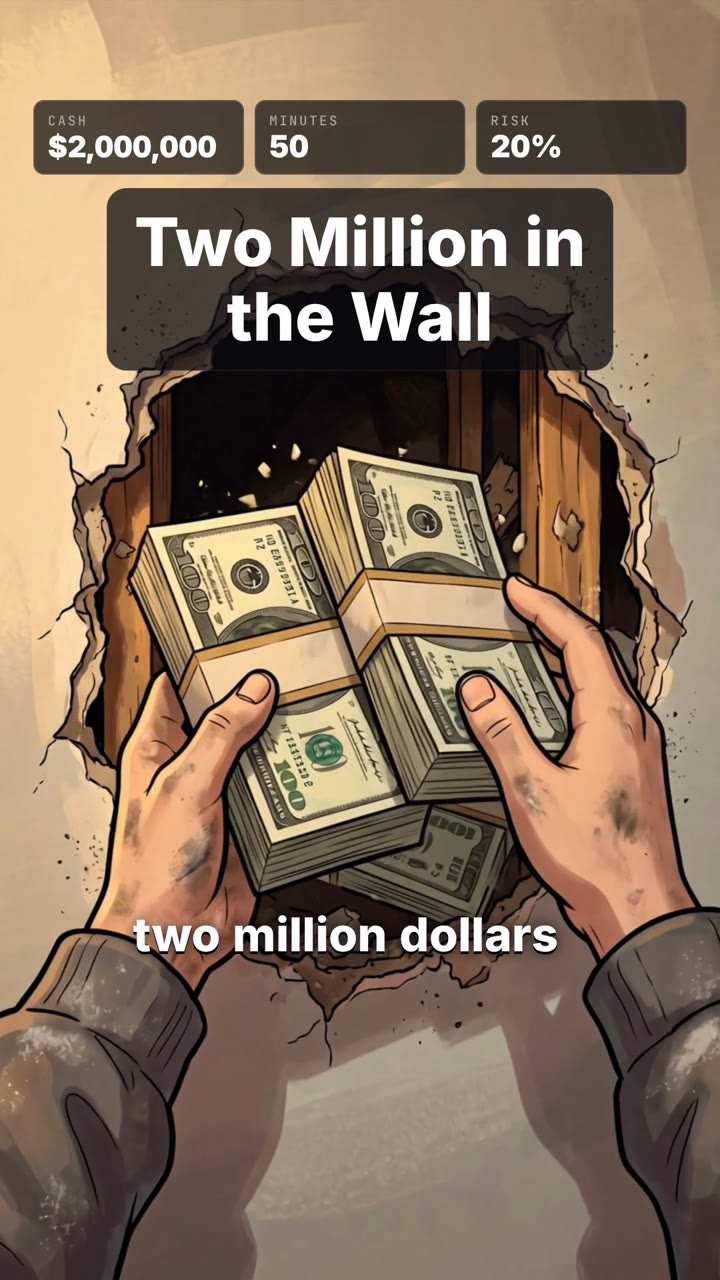
  • Scenes: one AI picture for every line, all in the one style you pick, with a camera move. Key scenes become real AI motion shots.
  • A voice-over that reads the script in a natural AI voice.
  • Captions that light up word by word, timed to the voice, so the video works on mute.
  • Music that fits the mood, mixed under the voice.

It is not the same as a plain text to video AI tool. Those make one short clip from a prompt, and you still write the script, record the voice, add captions and edit. A text to story video generator writes the story too. It is also more than an AI story generator, an AI storyteller or a storytime AI app that writes a story as text. Here the story comes out as a video.

Most AI animated video makers stop at the clip. This one hands you the finished post, and it keeps one look from the first scene to the last: pick 3D cartoon or 2D cartoon for a cartoon, History or Cinematic for realistic scenes, and every character, place and close-up follows it. The voice-over is built in, so you never record your own voice.

You typeYou get
One line ("What if the Earth stopped spinning for one second?")A titled script of about 9 scenes for 30 seconds
A format (What if, History, Scary story...)The right style, voice, music, pace and ending for it
Nothing elseA finished 9:16 or 16:9 MP4 with voice, captions and music

How does story to video AI work on MakeViral?

Story to video AI on MakeViral runs in four steps. Your part takes under a minute.

  1. The script. Your line goes to a writer model with the recipe of your format: the hook, the beats, the line length and the ending. It writes one narrated line per scene, about one scene every 3 seconds. A 30-second video has about 9 scenes, a 60-second video about 19 and a 90-second video about 28.
  2. The characters. If the story has a recurring character (up to 2), the AI first draws a character sheet, so the same person looks the same in every scene.
  3. Pictures and voice. Every scene gets its own AI picture and its own voice line. The captions come from the voice's own word timing, so they never drift.
  4. Motion, music and the edit. On "Some motion" the hook and the biggest moments become 4-second AI motion shots (2 in 30 seconds, 4 in 60 and 6 in 90); the other scenes move with a slow zoom or pan. On "Full motion" every scene moves. Then the video is cut to the voice, with quick punch-ins or slow push-ins by format, music and the end card of your format.

How each format ends

  • A loop, so the video replays cleanly: What if, Your body, Space, How it works, Psychology, Rise and fall, Disasters and Bible stories.
  • A question for the comments: History, Animal facts, Mysteries, Could you survive? and Would you rather.
  • An A/B (or A/B/C) choice card, so viewers vote on Part 2: Choose your path.
  • A "follow for part 2" card: Scary story, Myths & legends, POV and Storytime.

Which story video formats can you make?

18 formats, each with its own defaults. You can change all of them.

FormatWhat it isDefault styleDefault lengthEnding
๐ŸŒ What if3D explainers of wild what-if ideas3D explainer30 sLoop
๐Ÿซ€ Your bodyWhat happens inside your body when...3D explainer30 sLoop
๐Ÿ”€ Choose your pathYou are the hero. Viewers pick what happens next2D cartoon90 sChoice card
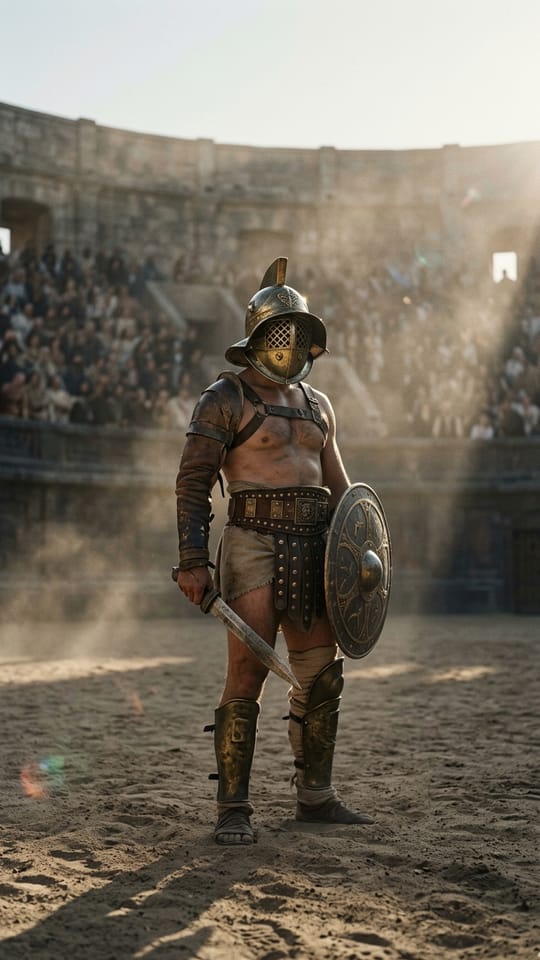
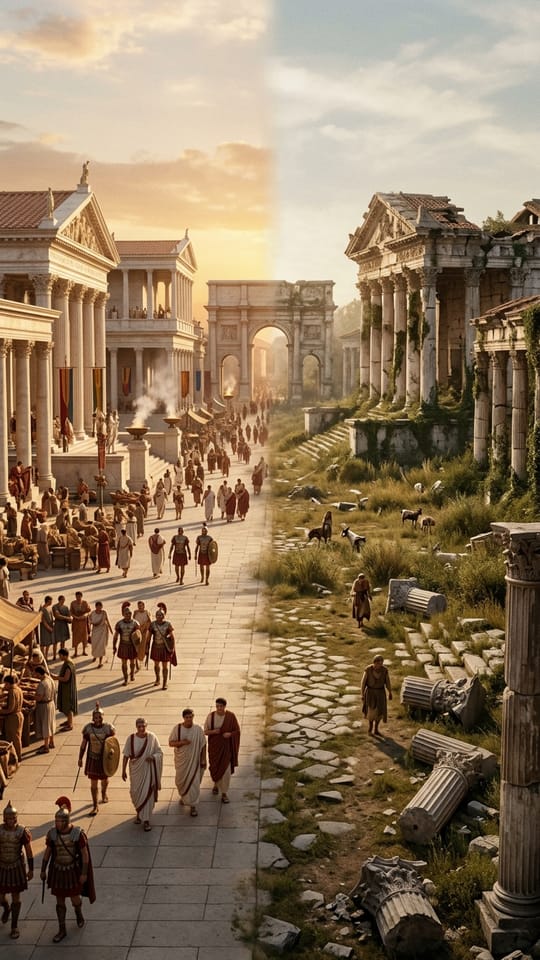
๐Ÿ›๏ธ HistoryReal moments from history, told like a movieHistory60 sQuestion
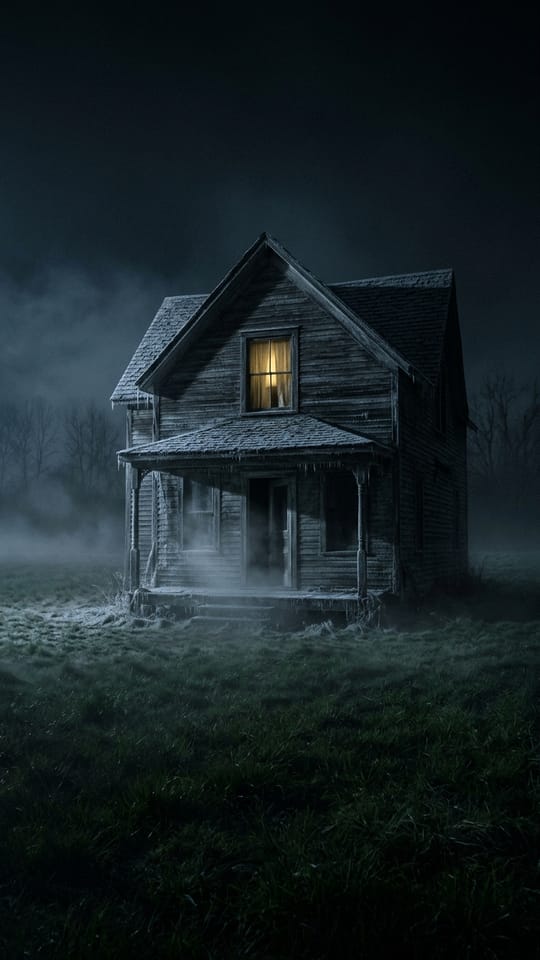
๐Ÿ‘ป Scary storyShort creepy stories with a twistDark60 sFollow for part 2
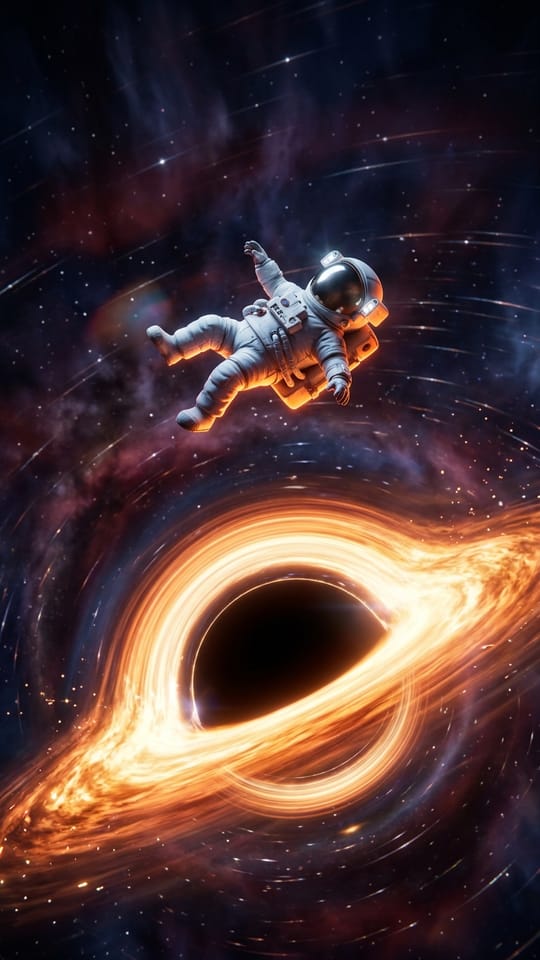
๐Ÿช SpaceBlack holes, planets and the edge of the universe3D explainer30 sLoop
๐Ÿ™ Animal factsCrazy facts about animals, up close3D explainer30 sQuestion
โš™๏ธ How it worksMachines and everyday things, opened up3D explainer30 sLoop
๐Ÿ•ต๏ธ MysteriesUnsolved cases and strange true storiesHistory60 sQuestion
๐Ÿ”ฅ Could you survive?You against the worst places on EarthCinematic60 sQuestion
๐Ÿ‰ Myths & legendsGods, monsters and legends brought to lifeCinematic30 sFollow for part 2
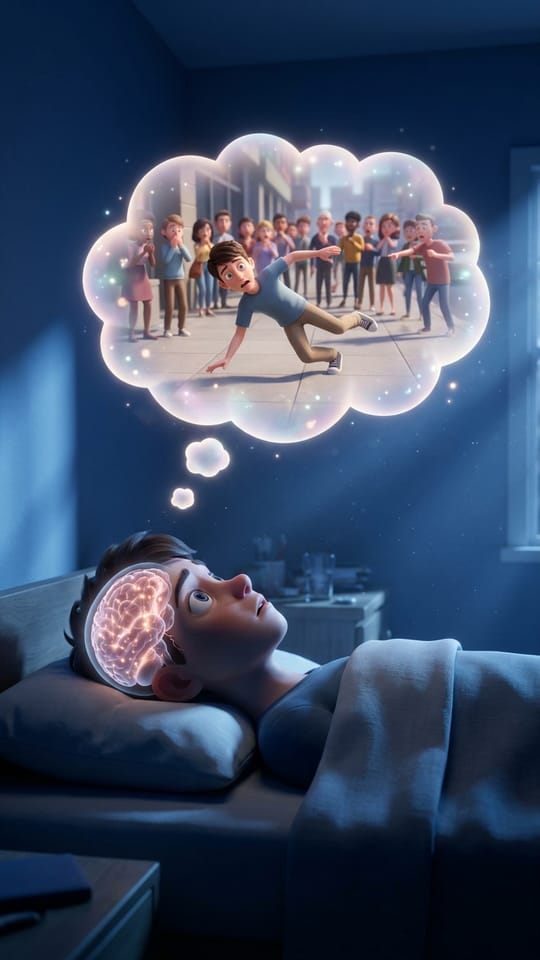
๐Ÿ‘๏ธ POVYou wake up in another time or placeCinematic60 sFollow for part 2
๐Ÿ—ฃ๏ธ StorytimeWild first-person drama, told like a confession2D cartoon60 sFollow for part 2
โš–๏ธ Would you ratherTwo impossible choices, the comments vote3D cartoon30 sQuestion
๐Ÿง  PsychologyWhy your mind does strange things3D explainer30 sLoop
๐Ÿ“‰ Rise and fallHow empires and fortunes grew, then crashedHistory60 sLoop
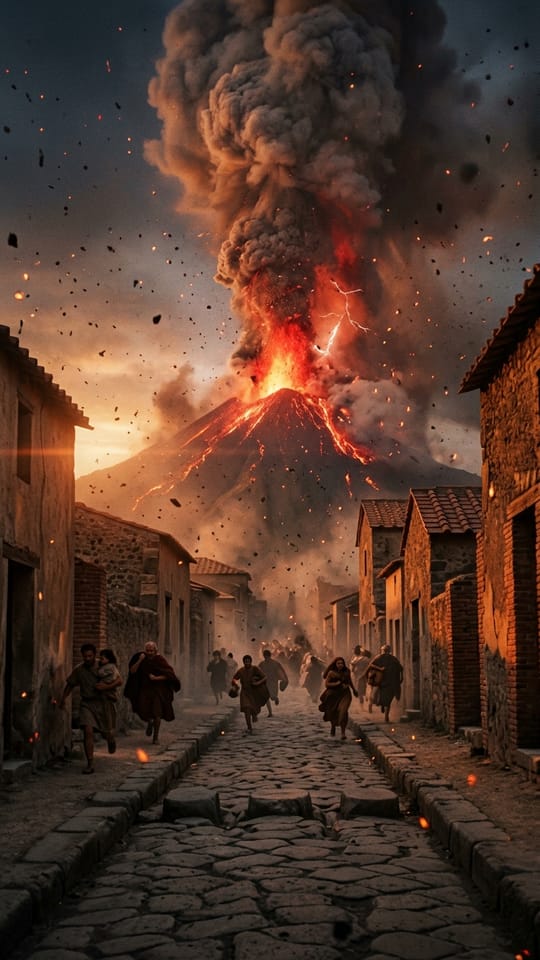
๐ŸŒ‹ DisastersThe last minutes before history's worst disastersCinematic60 sLoop
๐Ÿ“œ Bible storiesThe great Bible stories, retold with careCinematic60 sLoop

The what if format is the one most people start with. The what if video generator page shows how to make what if videos, with 30 ideas to start from. For stories read over gameplay instead of AI scenes, use the Reddit story video generator.

Story videos for TikTok, Reels and YouTube Shorts

The default is 9:16, with captions sized for a phone and the hook in the first line, so one file works on TikTok, Instagram Reels and YouTube Shorts. Keep a series at 30 seconds for a daily Shorts channel, or pick 16:9 in Customize for a regular YouTube video.

The scripts are written in short, everyday words, so viewers who are not native speakers follow them too, and you can switch the narration to any of 29 languages.

Already have a story? Tap "Write the script first", paste or rewrite every line, and the video is made from your words. There is no editor, no timeline and no export setting to learn.

Can you edit the script, the voice and every scene?

Yes, at three levels. None of them is required.

1. One line. Type your idea and tap the button. The format picks the rest.

2. Write the script first (no credits). See the title and every scene before you pay: the narrated line, the picture description, the camera move, and whether the scene moves. Rewrite any line. Name your characters and describe their look. For Choose your path, write the question and the 2 or 3 choices. Then open Customize for:

  • Length: 30, 60 or 90 seconds, with the price on each.
  • Quality: Stills, Some motion or Full motion, with the price on each.
  • Format: 9:16 for TikTok, Reels and Shorts, or 16:9 for YouTube.
  • Voice: an AI video narrator in 8 voices with a preview, and 3 paces (calm, normal or fast).
  • Style: 10 looks: 3D explainer, cinematic, 3D cartoon, anime, history, dark, comic, storybook, 2D cartoon and clay.
  • Music: 8 moods (suspense, epic, mystery, calm, upbeat, dark, emotional and adventure) or none.
  • Captions: 7 styles (phrase, bold, pop, karaoke, highlight, neon and clean) or off.
  • Language: 29 languages for the voice and the captions, from English and Spanish to Hindi, Japanese and Arabic.
  • Review scenes before the final video: stop after the pictures and the voice, fix scenes, then make the video.

3. Edit any scene after. On a finished story, change a scene's line (only that line is recorded again), ask for a new picture, change the camera move (no credits), or turn motion on or off. Each change shows its price first (1 to 2 credits for a line, 3 for a picture, 12 for a motion shot). Tap "Update video" (2 to 4 credits, by length) and the new cut is made. Your first video stays in the Library until the new one is ready.

Part 2. When viewers vote in the comments, open the story, tap "Make Part 2" and pick the winning choice. Part 2 starts with a one-line recap and keeps the same characters, style and voice.

How much does an AI story video cost?

You pay per video, and you see the exact price on the button before you tap it. You can start with a $9.99 one-time pack of 100 credits, with no subscription.

LengthStillsSome motionFull motion
30 seconds38 credits61 credits143 credits
60 seconds71 credits118 credits293 credits
90 seconds102 credits172 credits429 credits

"Some motion" turns the key scenes into AI motion shots: 2 in 30 seconds, 4 in 60 and 6 in 90. A Part 2 costs a little less, because it reuses the character sheets of Part 1. A credit is about $0.071 on the $49.99 plan for 700 credits a month, and about $0.067 on the $199.99 plan for 3,000. There is also a Weekly plan at $9.99 for 130 credits a week. Writing the script first costs no credits.

If something fails, you do not pay for it. If one picture cannot be made, that scene reuses the nearest picture and its credits come back. A scene that becomes a fact card (a big number on a plain color) needs no picture, so its picture credits come back too. If a motion shot fails, the scene stays a still with a camera move and its credits come back. If the voice or the render fails, everything left comes back. If you have not used any credits from a purchase, you can ask for a full refund within 14 days. Plans and packs are on the pricing page.

How to make viral story videos that people watch to the end

An AI storytelling video generator saves you the hours of editing. These habits get you the views.

  • Put the hook in the first line. "What if the moon disappeared?" beats "Today we look at the moon." The first 2 seconds decide the swipe.
  • Keep explainers short. What if, Your body, Space and How it works shorts land best at about 30 seconds. Save 60 and 90 seconds for stories with a plot: History, Scary story, Choose your path.
  • End with a reason to comment or replay. A loop, a question or an A/B choice. Choose your path stories turn comments into Part 2.
  • Make a series, not one video. Same format, same voice, same style, a new line every day. That is how the big faceless channels grow. For more faceless video AI formats for the same channel, see the faceless video generator hub.
  • Add your own angle. YouTube does not pay for mass-produced videos with no original point of view (its "inauthentic content" rule). Pick topics you care about, and edit the script so it sounds like you.

What are the limits?

  • AI pictures can get details wrong. Hands, small text and exact machine parts can come out odd. The AI is told never to draw text in pictures, so signs and labels stay blank. Use "Review scenes" and ask for a new picture where needed.
  • Facts. The writer is told to say speculation as speculation ("scientists think...", "it could..."). It is still an AI. Check the facts before you post an explainer.
  • Motion. A motion shot is 4 seconds at 720p. On "Some motion" only a few scenes move; "Full motion" moves them all and costs more.
  • Length. 30, 60 or 90 seconds per video. For longer stories, make Part 2.
  • People and brands. No living real people in made-up events, and no brand logos in pictures. Historical figures who died long ago are fine. No sexual content, no gore detail, no hate. The terms say you own the videos you make.
  • Every take is different. The same line can give a different script each time. Writing the script first lets you lock it.

Is MakeViral an alternative to Higgsfield Content Factory and AutoShorts?

Yes, for narrated story and explainer shorts. Higgsfield Content Factory (launched October 22, 2026) also turns a "what if" topic into a finished clip, with longer videos and up to 4 episodes per run, and it lives inside a large creative platform with monthly plans. MakeViral is built for the short story itself: easy everyday English, one art style in every scene, a script you can edit before you make the video, 18 ready formats, a scene editor, and choose-your-path endings with Part 2. The side-by-side is on MakeViral vs Higgsfield Content Factory. We also compare AutoShorts.ai and InVideo AI.

Why it works

What the ai story video generator: type one line, get a narrated video does for you

One line is enough

Type an idea. The AI writes the script, draws the scenes and records the voice.

Edit every scene

Change a line, a picture, a camera move or motion, and see the price of each change first.

Characters that stay the same

Up to 2 recurring characters get a character sheet, so they look the same in every scene.

Captions word by word

Timed to the voice, in 7 styles, in 29 languages.

Pay per video

From a $9.99 pack, no subscription. Failed parts give their credits back.

How it works

3 steps from idea to finished file

No editor, no timeline, no export settings to get wrong.

  1. Pick a format and type one line

    "What if you swallowed a magnet?" is enough. Every option has a smart default, so you can stop here.

  2. Check the script, if you want to

    Tap "Write the script first" to read every scene's line before you pay. Change any line, the voice, the style or the length.

  3. Tap Make my video

    The price is on the button. In about 3 to 6 minutes you get the finished video, with captions and music, in your Library.

Who it is for

Works in these niches

  • What if channels
  • Science explainers
  • History shorts
  • Scary story channels
  • Interactive stories
  • Space and animal facts
  • Faceless YouTube channels
  • TikTok story accounts
FAQ

Questions people ask

What is an AI story video generator?
It turns one line of text into a finished short video: a script, an AI picture for every scene, a few AI motion shots, a voice-over, word-by-word captions and music. On MakeViral you pick one of 18 formats, such as What if, History or Scary story, type your idea, and get a 30, 60 or 90 second video.
How long does it take to make a story video?
Your part takes under a minute: pick a format, type a line, tap the button. The video is usually ready in about 3 to 6 minutes and lands in your Library. Writing the script first costs no credits, and "Review scenes" adds a stop so you can fix pictures before the final cut.
How much does an AI story video cost?
A 30-second video is 38 credits with stills, 61 with some motion and 143 with full motion. A 60-second video with some motion is 118 credits, about $8.43 on the $49.99 plan. You can start with a $9.99 one-time pack of 100 credits. The price shows on the button before you pay.
Is there an AI story video generator free plan?
No. MakeViral has no free plan, and new accounts start with 0 credits. Writing and editing the script costs no credits, so you can read the whole story before you pay. The smallest purchase is a $9.99 one-time pack of 100 credits, with no subscription, and a 30-second story with stills is 38 credits. Failed parts give their credits back by themselves.
How long can a story video be?
30, 60 or 90 seconds, in 9:16 for TikTok, Reels and Shorts or 16:9 for YouTube. That is about 9, 19 or 28 scenes, a new picture about every 3 seconds. For a longer story, make Part 2: it keeps the same characters, style and voice.
Can I write or edit the script myself?
Yes. Tap "Write the script first" to see every scene's line, picture and camera move, and change any of them before you pay. After the video is made, you can change single scenes: only the changed line is recorded again, and each change shows its price first.
Can I change the voice, the language and the captions?
Yes. Pick one of 8 AI voices with a preview, a calm, normal or fast pace, and one of 29 languages for the voice and the captions: English, Spanish, Portuguese (Brazil), French, German, Italian, Dutch, Polish, Turkish, Indonesian, Malay, Filipino, Swedish, Danish, Finnish, Romanian, Czech, Slovak, Croatian, Bulgarian, Ukrainian, Russian, Greek, Arabic, Hindi, Tamil, Japanese, Chinese (Mandarin, simplified characters) and Korean. Captions come in 7 styles, or off. Music comes in 8 moods, or none.
Do the characters look the same in every scene?
Yes, for up to 2 recurring characters. The AI draws a character sheet first and uses it for every scene, and Part 2 reuses the same sheets. Explainers often have no fixed character, and then no sheet is made.
Is there an AI story video generator app?
MakeViral runs in your phone's browser, so there is nothing to install: open makeviral.ai/story and make the video on your phone. If you searched for an "AI story video generator no sign up" option: you do need an account here, because every video is saved to your Library to download and post.
Who made the what if and body fact video style popular?
Zack D. Films. The channel started on June 7, 2021, and by mid-2023 its Shorts had the clean 3D look that people now copy. It has about 81 billion views from about 4,100 videos (October 2026), and its most viewed video, "How Stitches Work", has about 255 million. Before it, AsapSCIENCE (2013) and Kurzgesagt (2015) made long "what if" videos popular on YouTube.
What is the choose your path video trend?
A story where the comments vote on what happens next. The Instagram account saveo.house started a heist series this way on October 13, 2026 ("You just stole $10 million."), and its 8 parts reached about 27 million plays in 10 days. On MakeViral, the Choose your path format ends on an A/B card for the comments, and "Make Part 2" continues the winning choice with the same characters.
Can I make videos about real people?
Historical figures who died long ago are fine, so a video about Cleopatra or the Titanic works. Living real people cannot be shown in made-up events, and brand logos stay out of the pictures. No sexual content, gore detail or hate. The terms say you own the videos you make.

Type one line and watch it become a video

Pick a format, type your idea, and see the price on the button before you pay. Start with a $9.99 one-time pack of 100 credits, no subscription.

No watermark. A failed video gives its credits back. Secure checkout by Stripe.